
Few civilizations were as fascinated with life, death, and eternity as ancient Egypt. At the heart of their beliefs stood the powerful symbol of rebirth in ancient Egypt, a concept woven into religion, art, architecture, and daily life. To the Egyptians, death was not an end—it was a transformation, a passage into another existence.
Understanding the symbol of rebirth in ancient Egypt means understanding how deeply the idea of renewal shaped the civilization. From temple walls to tomb amulets, sacred signs such as the ankh, the scarab, and the lotus flower represented resurrection, regeneration, and eternal life.
Today, travelers exploring temples and tombs through immersive journeys like Egypt Classic Tours or exclusive Luxury Egypt Tours encounter these symbols everywhere—carved into stone, painted on sarcophagi, and embedded in royal jewelry. This article explores the meaning, history, and spiritual depth behind the most important symbol of rebirth in ancient Egypt, revealing why it continues to fascinate the world.
Context & Background: Why Rebirth Was Central to Ancient Egyptian Belief
Life, Death, and the Promise of Eternity
To understand the importance of any symbol of rebirth in ancient Egypt, we must first understand the Egyptian worldview. The ancient Egyptians believed in cyclical existence. Just as the sun rose each morning after disappearing at night, so too would the human soul rise again after death.
This belief was rooted in:
- The daily cycle of the sun god Ra
- The annual flooding of the Nile River
- Agricultural renewal
- The myth of Osiris, god of the afterlife
Rebirth was not abstract philosophy—it was observable reality. Nature itself reinforced the idea that endings were merely beginnings in disguise.
Osiris: The God of Resurrection
The myth of Osiris forms the foundation of rebirth symbolism. According to Egyptian mythology, Osiris was killed by his brother Seth, dismembered, and later resurrected by his wife Isis. After resurrection, Osiris became ruler of the underworld.
This story established the theological model of death and rebirth. Pharaohs identified themselves with Osiris in death, believing they too would rise again.
You can explore detailed mythological references in scholarly summaries such as Wikipedia’s entry on Osiris, which outlines the central role he played in resurrection theology.
Why Symbols Mattered
Ancient Egyptians communicated complex spiritual ideas through visual symbols. A single icon could represent life, protection, transformation, and cosmic order simultaneously.
Thus, the symbol of rebirth in ancient Egypt was not just decorative—it was spiritual protection, theological teaching, and magical assurance combined.
The Main Symbol of Rebirth in Ancient Egypt
Several sacred icons represented renewal and resurrection. Let’s explore the most important ones in depth.
The Ankh – The Key of Life
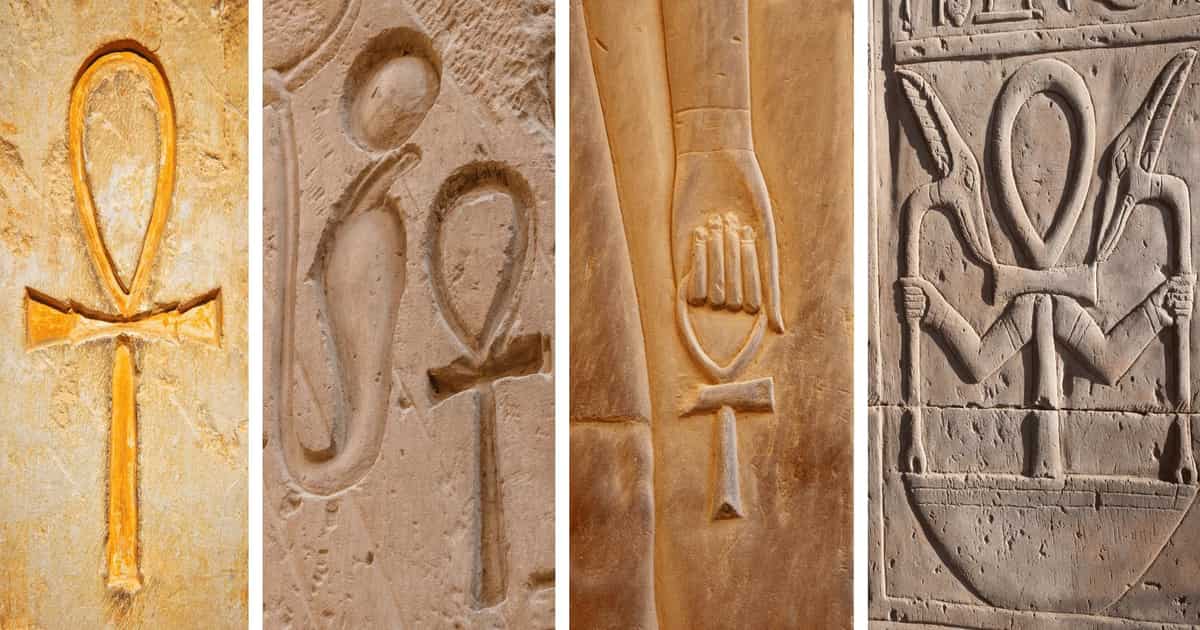
The ankh is perhaps the most recognizable symbol of rebirth in ancient Egypt. Often described as a cross with a loop at the top, the ankh symbolized eternal life.
Meaning of the Ankh:
- Physical life
- Spiritual immortality
- Union of masculine and feminine energies
- The breath of life
In temple carvings, gods are often shown holding the ankh to a pharaoh’s lips, symbolically granting life.
The ankh was also placed in tombs to ensure rebirth in the afterlife. Its shape may represent the rising sun on the horizon—a daily rebirth.
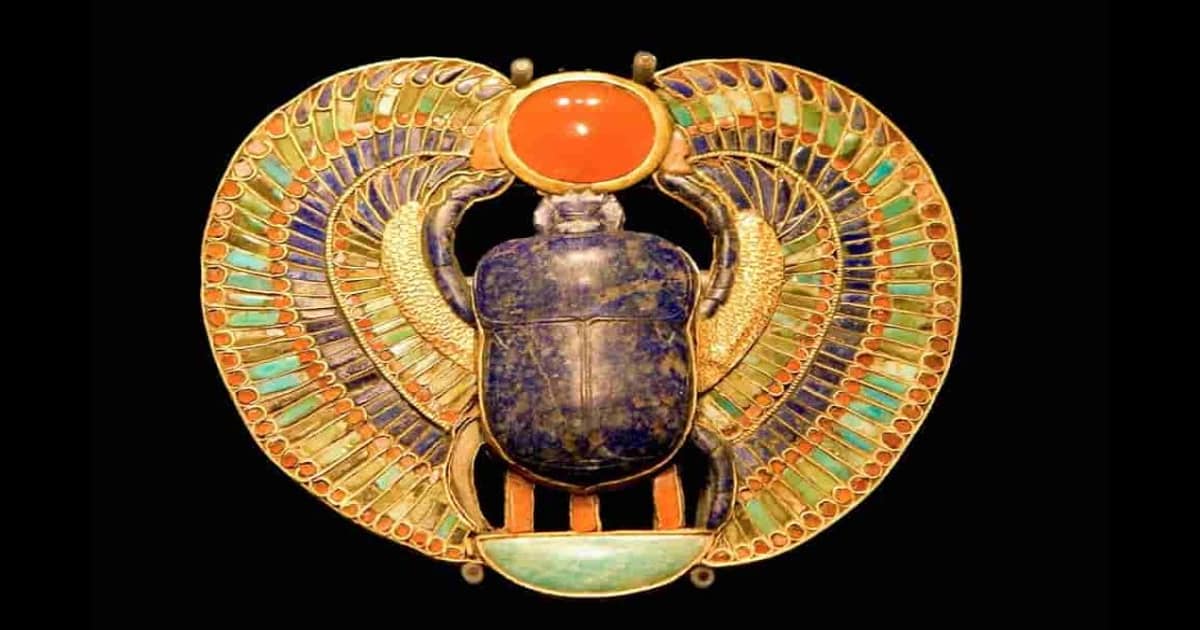
The Scarab Beetle – Transformation and Resurrection
Another powerful symbol of rebirth in ancient Egypt is the scarab beetle, associated with the god Khepri.
Khepri represented the morning sun, rolling it across the sky just as a scarab rolls a ball of dung. To the Egyptians, this action symbolized creation and regeneration.
Scarabs were:
- Carved into amulets
- Placed over the heart of mummies
- Inscribed with spells from the Book of the Dead
The heart scarab protected the soul during judgment in the afterlife, ensuring successful resurrection.
The Lotus Flower – Renewal from the Waters
The blue lotus was another sacred icon of rebirth. It closes at night and blooms at sunrise, symbolizing renewal.
In Egyptian creation mythology:
- The world emerged from primordial waters
- A lotus flower rose from the waters
- The sun god was born from the lotus
This imagery tied rebirth directly to cosmic creation.
The Djed Pillar – Stability and Resurrection
The Djed pillar symbolized stability and strength. It was closely associated with Osiris and represented his backbone.
During religious festivals, priests performed a “Raising of the Djed” ceremony, symbolizing resurrection and the restoration of cosmic order.
The Phoenix (Bennu Bird)
The Bennu bird, similar to the Greek phoenix, symbolized rebirth through fire and solar cycles. It was associated with Ra and Osiris and represented self-creation and renewal.
Rebirth in Royal Burial Practices
The ultimate expression of rebirth belief was mummification.
The process included:
- Preservation of the body
- Placement of amulets
- Recitation of resurrection spells
- Burial with symbolic objects
Pharaohs were wrapped in linen and adorned with symbols to ensure safe passage into eternal life.
Travelers visiting the Valley of the Kings on Egypt Classic Tours can see these symbols decorating tomb walls, vividly depicting resurrection scenes.
Expert Insights & Travel Tips
Where to See Symbols of Rebirth Today
If you want to witness the most important symbol of rebirth in ancient Egypt, visit:
- The Egyptian Museum in Cairo
- The Grand Egyptian Museum
- Valley of the Kings (Luxor)
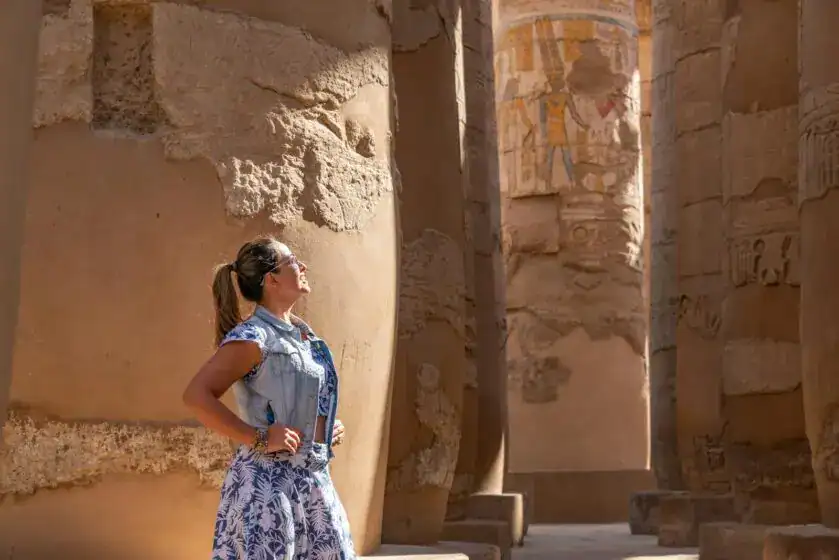
- Karnak Temple Complex
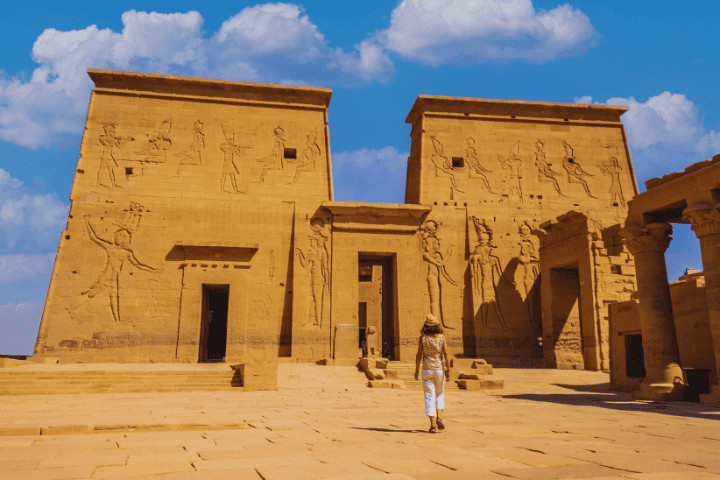
- Temple of Philae
These sites are often included in curated Luxury Egypt Tours, offering expert-guided interpretation.
Best Itinerary for Symbol Seekers
For a deep cultural experience:
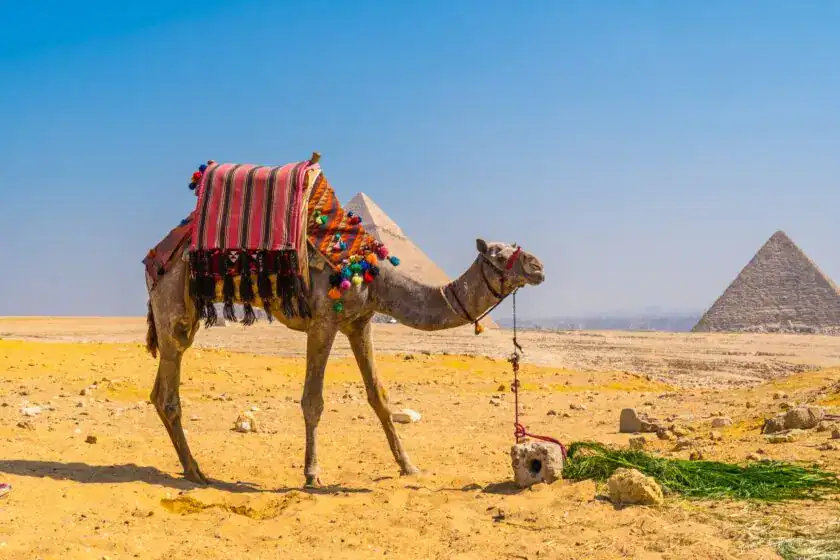
- Cairo → Museum exploration → Giza Plateau
- Luxor → Valley of the Kings → Karnak Temple
- Nile cruise with Egyptologist guide
Combining comfort and scholarship, many travelers choose tailored Luxury Egypt Tours for a deeper understanding of symbolism.
Tips for Understanding Ancient Symbols
- Look for repeated icons on temple walls
- Notice how gods hold symbols toward pharaohs
- Ask guides about color meaning
- Observe how symbols appear in burial chambers
Seeing these symbols in context transforms abstract ideas into living history.
Conclusion – Why the Symbol of Rebirth in Ancient Egypt Still Inspires
The enduring power of the symbol of rebirth in ancient Egypt lies in its universality. Across thousands of years, these sacred icons expressed humanity’s deepest hope—that life continues beyond death.
Whether through the ankh, scarab, lotus, or Djed pillar, ancient Egyptians developed a visual language that transformed fear of death into promise of renewal. Today, these symbols remain etched into temples, preserved in museums, and alive in the imagination of travelers worldwide.
If you wish to experience these sacred signs firsthand, explore curated journeys through Egypt Classic Tours or elevate your experience with bespoke Luxury Egypt Tours. The story of rebirth is still waiting to be discovered—etched in stone, illuminated by desert light, and carried forward through every traveler who seeks it.
FAQ – Symbol of Rebirth in Ancient Egypt
1. What is the main symbol of rebirth in ancient Egypt?
The ankh is the most recognized symbol of eternal life and rebirth, representing immortality and divine breath.
2. Why was the scarab important?
The scarab symbolized transformation and resurrection, linked to the rising sun and the god Khepri.
3. How did rebirth beliefs influence burial practices?
Mummification and tomb decoration were designed to ensure resurrection in the afterlife.
4. Can I see real rebirth symbols in Egypt today?
Yes. Many temples and museums display carvings and artifacts featuring the ankh, scarab, and other sacred icons, often included in Egypt Classic Tours.
5. Did only pharaohs use rebirth symbols?
No. While royalty had elaborate versions, common people also wore amulets for protection and spiritual renewal.