
Must-See Temples of Egypt for First-Time Visitors
When you picture Egypt, the pyramids and vast desert likely come to mind first. But beyond the iconic sands lies a rich landscape of ancient temples—each one a window into a powerful civilization that shaped human history. If this is your first time visiting Egypt, exploring these remarkable temples is essential. They’re not just landmarks—they’re living records of a world built by gods, kings, and visionaries.
Ancient Temples: More Than Just Ruins
Temples in Egypt weren’t just places of worship—they were centers of political power, ritual, and innovation. From towering columns to carvings that have survived millennia, these sites offer a striking look at what ancient builders achieved with simple tools and unwavering ambition.
Whether you’re into archaeology or simply curious about Egypt’s past, these temples are worth putting at the top of your list.
1. Karnak Temple – A Monumental Legacy in Luxor
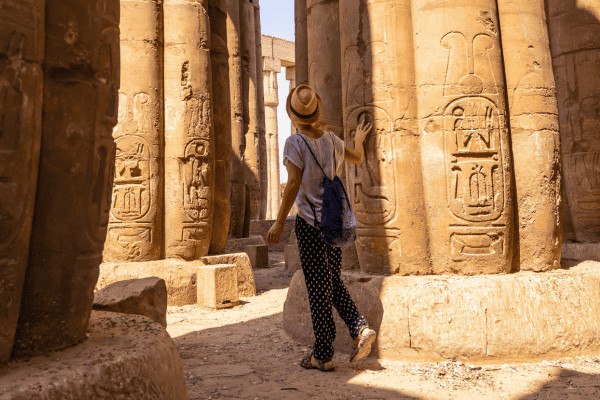
Sprawling across more than 200 acres, Karnak is the largest religious complex ever built. Dedicated to the gods Amun, Mut, and Khonsu, it was constructed and expanded over centuries by dozens of pharaohs.
Why visit:
Walking through the Great Hypostyle Hall—lined with 134 colossal columns—you’ll feel the scale and ambition of ancient Egypt. It’s humbling, awe-inspiring, and surprisingly atmospheric in the early morning light.
Insider tip: Arrive at sunrise for the best light and fewer crowds. Bring water—shade is scarce.
2. Luxor Temple – A Temple Within the City
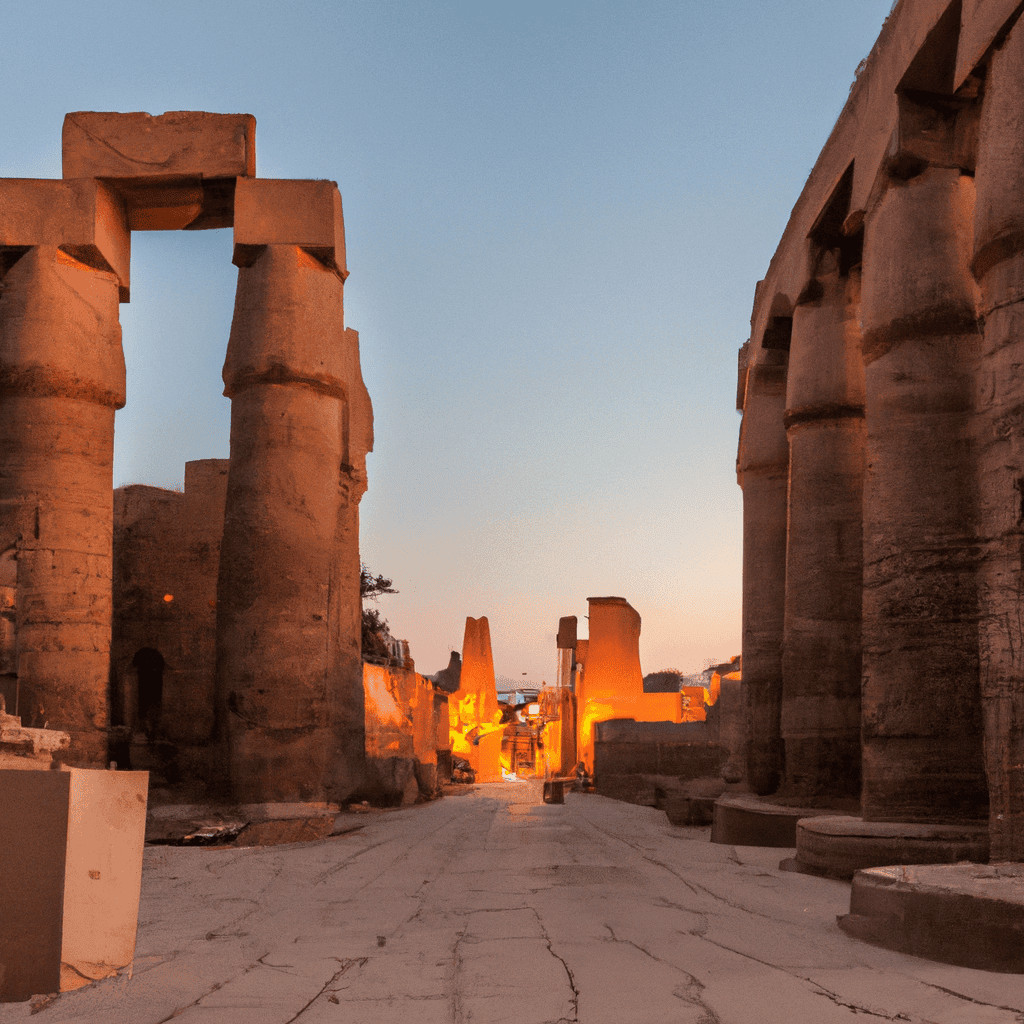
Luxor Temple sits in the heart of modern Luxor and was once connected to Karnak by a 3-kilometer avenue lined with sphinxes. Built by Amenhotep III and expanded by Ramses II, this temple stood at the center of ancient religious festivals.
Why visit:
It’s one of the few temples designed as part of the city itself—still connected to it today. At night, it’s beautifully lit, and a walk along the Avenue of Sphinxes toward Karnak is a peaceful, unforgettable experience.
3. Abu Simbel – Colossi in the South
Far from the bustle of Cairo, Abu Simbel stands in the Nubian desert near the Sudanese border. Carved directly into the rock by Ramses II, the temple features four colossal statues guarding its entrance.
Why visit:
Abu Simbel isn’t just impressive—it’s a feat of engineering. In the 1960s, it was relocated to higher ground to prevent flooding from Lake Nasser. Today, it continues to command attention, just as Ramses intended.
Getting there: Most travelers take a day trip from Aswan by road or air.
4. Temple of Hatshepsut – Where Architecture Meets Landscape
Built into the cliffs of Deir el-Bahari, the Temple of Hatshepsut is one of Egypt’s most elegant ancient structures. Dedicated to the god Amun and honoring Egypt’s most successful female pharaoh, it’s a bold statement in stone.
Why visit:
The clean lines and terraced levels contrast beautifully with the surrounding cliffs. Inside, faded murals still tell stories of trade expeditions and divine birth—reflecting Hatshepsut’s reign and ambition.
5. Philae Temple – Island of the Goddess
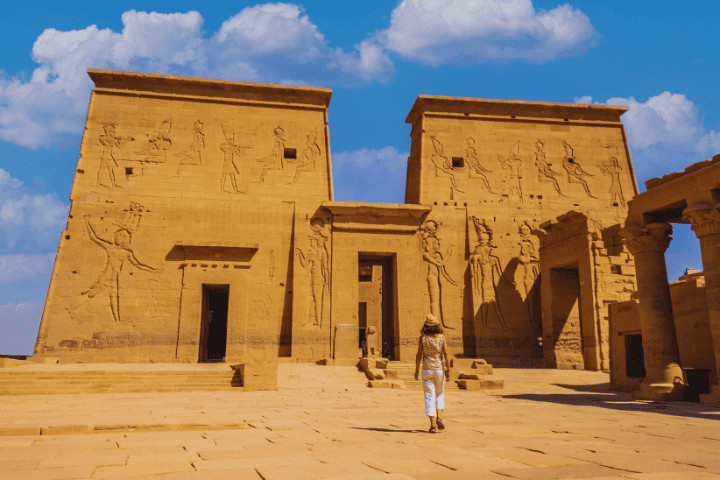
Accessible only by boat, Philae Temple rests on a small island in the Nile near Aswan. It was the last temple built in the classical Egyptian style and is dedicated to Isis, goddess of magic and motherhood.
Why visit:
Few temple visits are as tranquil as this one. The boat ride offers a quiet moment before you explore the detailed carvings and cool inner chambers of the temple. Philae has an almost mythical atmosphere—especially at sunset.
Final Thoughts: Let the Stones Speak
Egypt’s temples aren’t just historic—they’re deeply human. Built by generations of craftsmen, each site reflects the values, beliefs, and ambitions of its time. You don’t need to be an expert to appreciate their significance—just curious enough to look closer.
If you’re ready to explore Egypt’s ancient wonders, a guided tour can help you get more out of the experience. Discovery Tours offers expert-led visits to all major temples, helping you understand not just what you’re seeing—but why it matters.
Let these temples be more than stops on an itinerary. Let them be the reason you fall in love with Egypt.