
Table of Contents
From the grandeur of Karnak to the tranquil isle of Philae, Luxor and Aswan stand as twin pillars of Egypt’s ancient legacy. These two Upper Egyptian cities are the heart of any Nile River Cruises itinerary, offering an immersive journey into the world of pharaohs, temples, and Nubian culture.
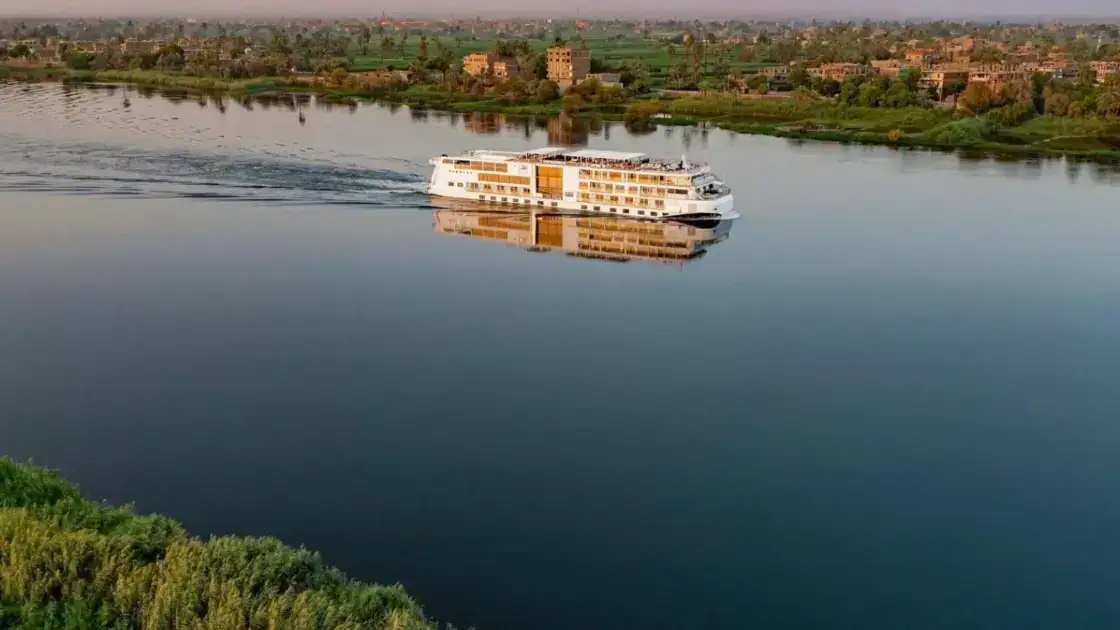
Whether you’re gliding down the river on a luxury liner or aboard an intimate Dahabiya Nile Cruise, the stretch between Luxor and Aswan weaves a tapestry of history, spirituality, and natural beauty. This guide dives deep into everything you need to know about these two legendary destinations: their must-see sites, travel tips, optimal cruise routes, and how to make the most of your Nile adventure.
Let’s embark — from Luxor’s temple fields to Aswan’s Nubian soul — with stops at hidden gems in between.
Context & Background — Why Luxor and Aswan Matter
The Significance of Upper Egypt
While Cairo dazzles with pyramids and museums, it’s in Upper Egypt — the stretch between Luxor and Aswan — where much of the ancient civilization unfolds in situ. This region was once the core of the Theban empire, the crossing point to Nubia, and the cradle of temples that echo with religious and political power.
In ancient times, Luxor (ancient Thebes) served as the religious capital, while Aswan marked Egypt’s southern frontier, gateway to Nubia and trade routes deeper into Africa.
The Role of Nile River Cruises
To truly experience Luxor and Aswan, nothing beats a Nile River Cruise. Rather than rushing between sites by road, sailing offers a relaxed, immersive journey — each sunrise and sunset revealing temples, cliffs, and the rhythms of life along the Nile. As you cruise, you’ll pass smaller villages, palm groves, and river islands that feel untouched by time.
Many travelers choose Dahabiya or small boat cruises to savor quieter moments and explore lesser-visited spots. Either way, the river becomes your guide, and Luxor–Aswan is your stage.
Luxor and Aswan – Main Attractions and Highlights
Let’s walk through the core experiences awaiting you as you journey between these two cities.
Luxor – The Open-Air Museum
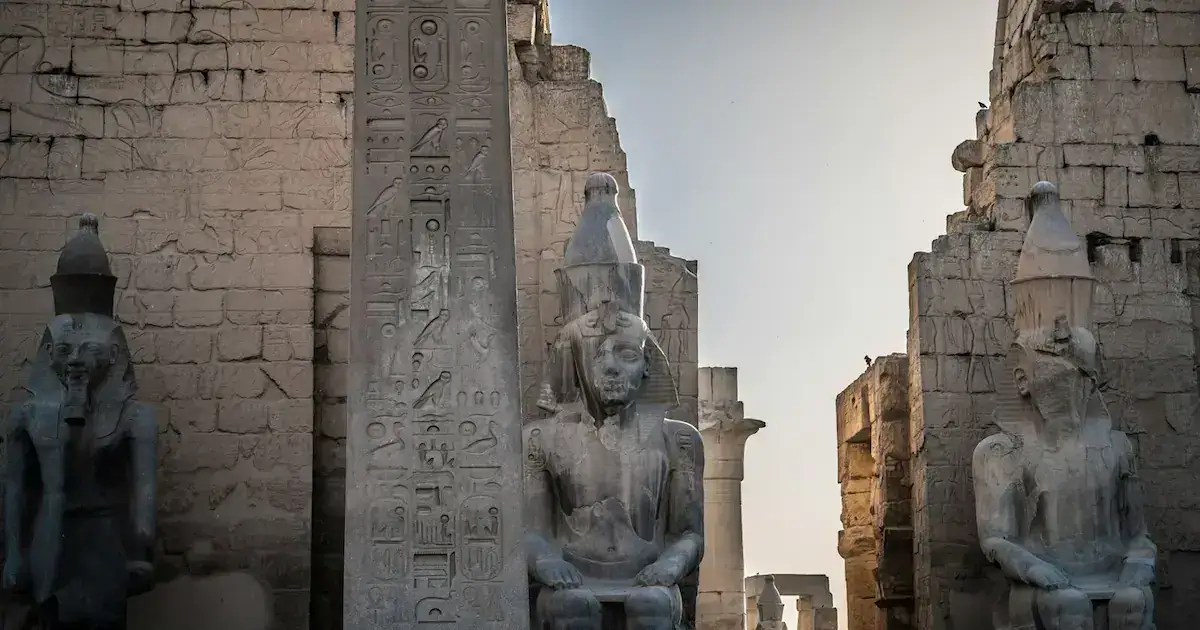
Luxor sits on the site of ancient Thebes, and its eastern and western banks reveal twin realms of temple ritual and royal afterlife.
East Bank: Karnak & Luxor Temples
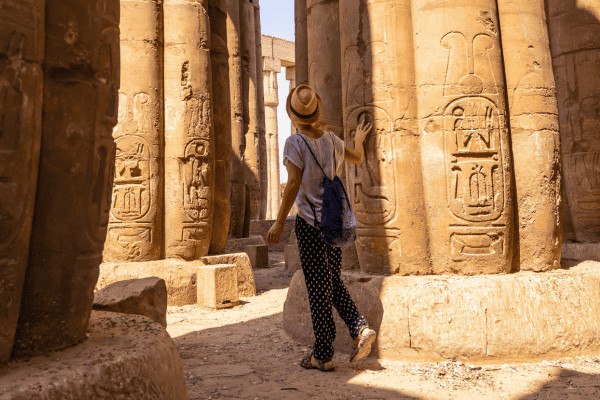
- Karnak Temple is the crown jewel — a vast temple complex built and expanded over 2,000 years. Its Hypostyle Hall with towering columns is staggering in scale.
- Luxor Temple is more intimate, but steeped in festival ceremonies. It’s beautifully lit at night, creating an evocative ambiance.
West Bank: Necropolises of the Dead
- Valley of the Kings: Tombs of the pharaohs — including Tutankhamun — with glittering wall paintings.
- Mortuary Temple of Hatshepsut: A stunning architectural gem built into the cliffs.
- Valley of the Queens & Colossi of Memnon: Lesser-known but rich in history and vistas.
Many itineraries include sunrise balloon rides over Luxor for a breathtaking aerial view of temple fields.
Sailing Between – Kom Ombo, Edfu, and Nubian Borderlands
The journey between Luxor and Aswan is dotted with majestic temples and river stops.
- Edfu Temple: Dedicated to Horus, this Ptolemaic temple is one of the most intact in Egypt, offering insight into Greco-Egyptian temple design.
- Kom Ombo Temple: Unique for its dual dedication to Sobek (crocodile god) and Horus. Its asymmetric layout and crocodile mummies in an on-site museum make it special.
- Islands & Villages: Many cruises anchor near islands or riverbanks, where you can take evening walks or small village visits.
- Kalabsha Temple: Relocated and preserved during the Nubian salvage campaign, now near Aswan.
Aswan – Nubia, Culture & Temples
Aswan has a calmer, more soulful pace. It’s also a strategic hub to deeper Nubian and archaeological wonders.
Abu Simbel (optional extension): These twin temples of Ramses II, carved into rock, lie southwest of Aswan and are often visited via a guided day trip.
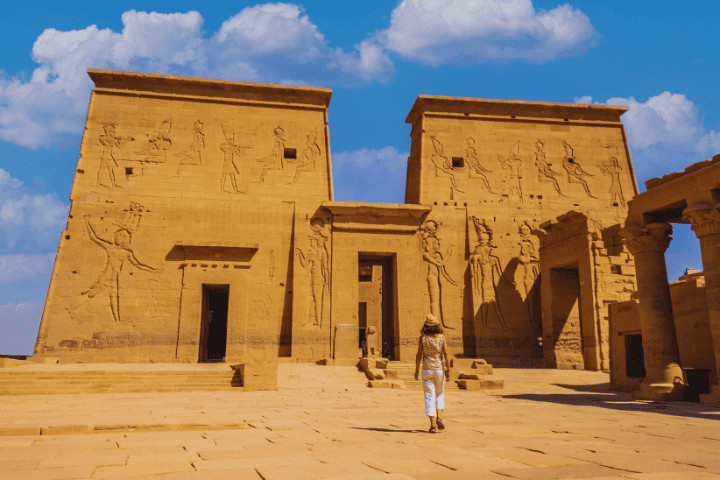
Philae Temple: Dedicated to Isis, this temple sits on an island (relocated to save it from flooding) and is one of the most romantic sites in Egypt. (Part of the Nubian Monuments UNESCO listing)
Aswan High Dam: A modern marvel that reshaped the Nile and necessitated relocation of many temples.
Nubian Museum: A beautifully curated collection preserving Nubian heritage, artifacts, and culture.
Qubbet el-Hawa: Tombs of nobles dug into the cliffs, offering sweeping views of Aswan.
The Role of UNESCO & Monument Rescue
Many of the temples and monuments between Luxor and Aswan are part of Egypt’s UNESCO World Heritage Sites, especially the Nubian Monuments from Abu Simbel to Philae.
When the Aswan High Dam threatened to flood ancient Nubian temples in the 1960s, a global campaign relocated many of them block by block — including Philae and Kalabsha.
Thus, your cruise isn’t just sightseeing — it’s passage through a living museum, where ancient stones tell stories of resilience and adaptation.
Expert Tips & Practical Advice for Visiting Luxor & Aswan
Here are actionable tips to maximize your experience between these two remarkable cities.
Best Time to Cruise & Visit
- October to April: Ideal window — mild temperatures, clear skies, and comfortable nights.
- November to February: Peak tourist months; book early to secure best cabins.
- Summer (May–September): Hot and dry; may limit outdoor exploration but possible for those preferring fewer crowds.
Duration & Itinerary Suggestions
- 4-Night Cruise: Covers Luxor → Edfu → Kom Ombo → Aswan — ideal for shorter travelers.
- 7-Night Luxury Cruise: Round-trip Luxor, deeper stops, and a more relaxed pace.
- Combined Tours: Pair cruise with Cairo and Abu Simbel for full Egyptian immersion.
Check your ship’s itinerary to ensure no rushed days — the more time in Luxor and Aswan, the richer your experience.
Booking & Cabin Advice
If available, choose Dahabiya or small vessel options for a quieter, more immersive journey.
Choose a river-facing cabin for the best views.
Request early-docked nights in Luxor and Aswan to enjoy evening temple visits.
What to Pack & Dress Code
- Light, breathable fabrics for daytime
- Long sleeves, scarves, and modest attire for temple visits
- Comfortable walking shoes (many temples involve steps or rough paths)
- Hat, sunglasses, sunscreen
- Swimwear, a light jacket, and a camera with extra batteries or memory
- Flashlight or headlamp for walking paths in low light
Don’t forget a copy of your passport, entry permits, and any archaeological permits if needed.
Making the Most of Shore Excursions
- Visit major temples early morning or late afternoon to avoid midday crowds.
- In Luxor, consider hot air balloon rides for dawn panoramas.
- In Aswan, take a boat trip around Elephantine Island or explore Nubian villages.
- Engage your Egyptologist guide — ask about the stories, myths, and daily life behind the ruins.
- For Abu Simbel, arrange a dawn visit to catch the sunrise lighting the inner sanctum.
Why Luxor and Aswan Should Be on Your Bucket List
- History in context: Visiting these cities lets you walk through millennia of Egyptian power and faith.
- Architectural marvels: Temples, tombs, statues, and engineering feats unfolded before your eyes.
- Nubian culture: Aswan gives you a glimpse into an Africa-adjacent heritage that shaped southern Egypt.
- Scenic beauty: The Nile’s changing light, riverbanks, and islands deliver unforgettable vistas.
- Cultural continuity: You’re not just a tourist — you’re a participant in a living cultural landscape.
Why Choose Discovery Tours Egypt for Your Luxor–Aswan Cruise
At Discovery Tours Egypt, we pride ourselves on crafting seamless, unforgettable Nile experiences. Here’s what sets us apart:
- Expert Egyptologists who bring stones to life
- Personalized itineraries to let you linger where you love most
- Premium vessels — from luxury liners to elegant Dahabiyas
- Smooth logistics, including transfers, permits, and support
- Deep local insight, so you experience Luxor and Aswan beyond the checklist
Explore our offerings on Nile River Cruises and let us design your perfect Luxor–Aswan voyage.
Conclusion — Luxor and Aswan: The Heart of Nile Magic
Luxor and Aswan aren’t just stops on a map. They are the living soul of Egypt’s ancient legacy and the heart of every meaningful Nile journey.
From Luxor’s temple fields to Aswan’s calm waters and Nubian heritage, this corridor of the Nile reveals history not just in monuments but in the flow of the river and the lives along it.
Whether you sail aboard a grand cruise ship or drift in elegance on a Dahabiya, your passage between Luxor and Aswanis more than travel — it’s a deep plunge into time itself.
Ready to embark?
Book your Luxor-to-Aswan Nile cruise through Discovery Tours Egypt and let the ancients guide your journey.
Luxor & Aswan: Travel Questions Answered
1. How far are Luxor and Aswan from each other by river?
The Nile journey between Luxor and Aswan spans a significant stretch, typically covered over 3 to 7 nights depending on itinerary.
2. Can I visit both Luxor and Aswan in one trip?
Absolutely — most Nile river cruises include both cities, allowing you to explore major temple sites, tombs, and Nubian culture.
3. Is Abu Simbel included in typical cruises?
Not always. Abu Simbel lies further south. Many tour operators offer it as an optional early morning excursion from Aswan.
4. Which sites are must-sees in Luxor?
Don’t miss Karnak Temple, Luxor Temple, Valley of the Kings, Hatshepsut’s Mortuary Temple, and the Colossi of Memnon.
5. What makes Aswan unique?
Aswan offers a more relaxed pace, Philae Temple, Nubian traditions, and proximity to island life and river vistas.
6. How many nights do I need for Luxor & Aswan?
A 4-night cruise covers key highlights, while a 7-night itinerary gives time to linger, rest, and dive deeper.
7. What’s better: dawn or dusk in Luxor?
Sunrise over the West Bank tombs and early morning light at Luxor Temple are unbeatable for quiet reflection and photography.
8. Do I need a guide?
Strongly recommended. An Egyptologist reveals hidden meanings, myths, and historical context that transform ruins into stories.