
When people think about Egypt, they often imagine pyramids, temples, and the Nile River. Yet beyond its ancient monuments, the country is home to a fascinating network of lakes in Egypt that offer unique landscapes, ecological importance, and surprising travel experiences. From vast desert reservoirs to tranquil coastal lagoons, Egypt lakes represent some of the most underrated natural wonders in the region.
Understanding the diversity of lakes in Egypt means exploring both natural and man-made bodies of water in Egypt, each with its own story. Whether it’s the massive Lake Nasser in the south or the evolving Toshka Lakes Egypt in the Western Desert, every lake in Egypt contributes to the nation’s geography, economy, and tourism potential.
Today, many travelers combine cultural discovery with nature-based experiences through curated journeys like Egypt Classic Tours or immersive Egypt Family Tours, where historical landmarks meet scenic landscapes. In this guide, we will explore the most important Egyptian lakes, their history, ecological role, and how you can include them in your travel plans.
Understanding the Bodies of Water in Egypt
Egypt’s geography is defined primarily by the Nile River, but the country also contains diverse bodies of water in Egypt beyond the river itself. These include:
- Freshwater lakes
- Saltwater lagoons
- Coastal lakes along the Mediterranean
- Artificial reservoirs
- Desert lakes
The term Egyptian lakes encompasses both ancient natural formations and modern engineering achievements. Unlike many countries where lakes are formed by glaciers, Egypt’s lakes are largely shaped by river flooding, tectonic depressions, or human intervention.

Why Lakes in Egypt Matter
The lakes in Egypt play crucial roles in:
- Agriculture and irrigation
- Fishing industries
- Biodiversity and bird migration
- Climate moderation
- Tourism development
For example, Lake Nasser is not just a scenic body of water—it is central to Egypt’s water management strategy.
According to information summarized by reputable sources like Wikipedia’s Lake Nasser page, this massive reservoir was created following the construction of the Aswan High Dam, fundamentally reshaping southern Egypt’s landscape.
Natural vs. Man-Made Egypt Lakes
Egypt lakes fall into two broad categories:
Natural Lakes
- Lake Qarun
- Mediterranean coastal lakes (Manzala, Burullus, Edku, Mariout)
Man-Made Lakes
- Lake Nasser
- Toshka Lakes Egypt
Both types contribute significantly to Egypt’s environmental and economic systems.
The Main Lakes in Egypt: A Deep Dive
Let’s explore the most significant lakes in Egypt and what makes each unique.
Lake Nasser – The Giant of Egyptian Lakes
Lake Nasser is arguably the most famous lake in Egypt. Located in southern Egypt near Aswan, it is one of the largest artificial lakes in the world.
Key Facts:
- Created in the 1960s
- Extends into Sudan (where it is called Lake Nubia)
- Supports irrigation and hydroelectric power
- Popular for fishing and Nile cruises
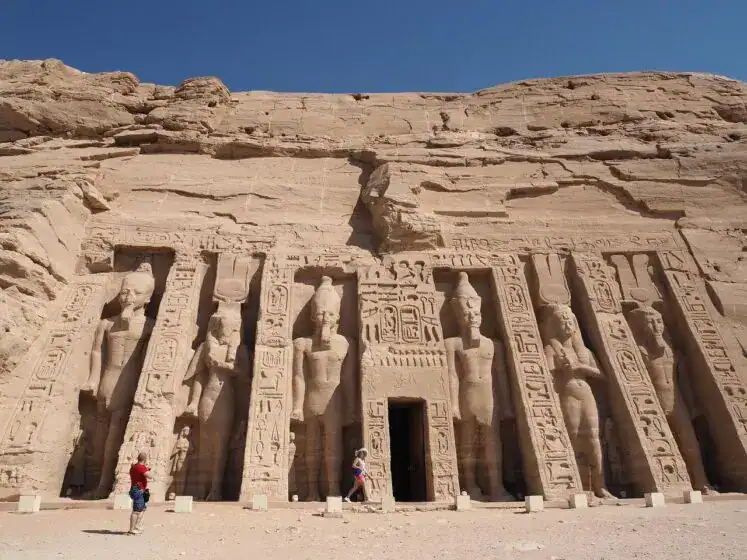
For travelers on Egypt Classic Tours, visiting Aswan often includes scenic views of Lake Nasser and nearby temples such as Abu Simbel.
Lake Nasser transformed the region economically while preserving water security for millions.
Toshka Lakes Egypt – A Desert Phenomenon
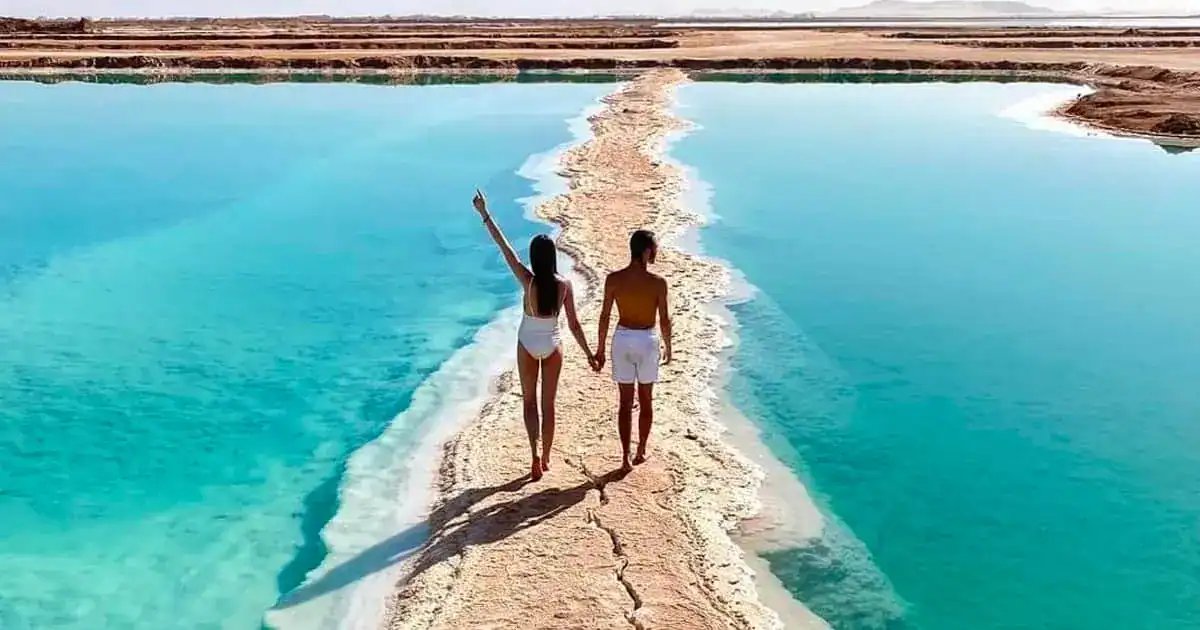
The Toshka Lakes Egypt are among the most fascinating desert lakes in the country. Located southwest of Lake Nasser, these lakes were formed due to overflow from the Aswan High Dam in the late 1990s.
What makes Toshka Lakes unique:
- Located in the Western Desert
- Fluctuating water levels
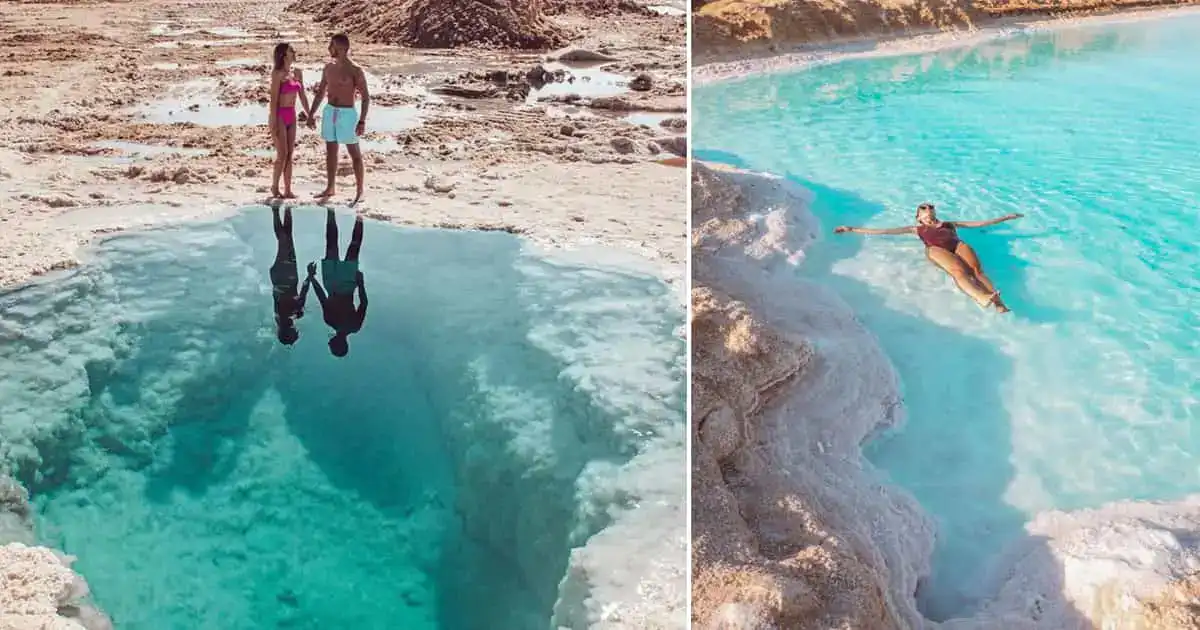
- Surreal contrast between sand and blue water
- Experimental agricultural projects nearby
Although not yet a major tourist destination, Toshka Lakes Egypt represent the dynamic nature of Egypt’s environmental engineering.
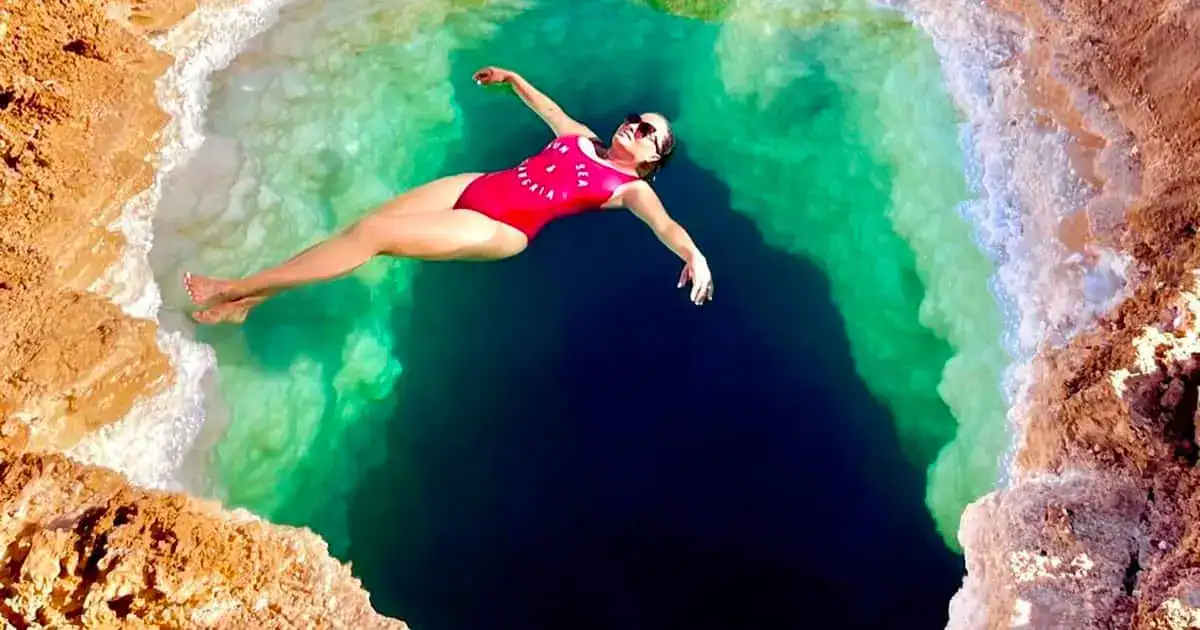
Lake Qarun – Ancient and Mysterious
Lake Qarun, located in the Fayoum Depression, is one of the oldest natural lakes in Egypt.
Historically, it was connected to the Nile and once much larger. Today, it is a saltwater lake known for:
- Birdwatching
- Fossil discoveries
- Proximity to Wadi El Rayan
Lake Qarun is often included in customized itineraries within Egypt Family Tours, offering a blend of nature and archaeology.
Mediterranean Coastal Lakes
Northern Egypt hosts several important coastal lagoons:
- Lake Manzala
- Lake Burullus
- Lake Edku
- Lake Mariout
These Egyptian lakes are brackish and play major roles in fishing industries and migratory bird habitats.
Lake Burullus, in particular, is recognized for ecological importance and biodiversity.
Wadi El Rayan Lakes
Located in the Fayoum region, Wadi El Rayan consists of two connected lakes formed by agricultural drainage.
Highlights include:
- Waterfalls
- Sand dunes
- Protected wildlife
- Desert safari opportunities
This region offers one of the most photogenic landscapes among the lakes in Egypt.
Expert Insights & Travel Tips for Visiting Lakes in Egypt
Exploring lakes in Egypt can elevate your travel experience beyond traditional sightseeing.
Here’s how to do it right.
Best Lakes to Visit for Different Interests
For Scenic Beauty:
- Lake Nasser
- Wadi El Rayan
For Birdwatching:
- Lake Burullus
- Lake Manzala
For Desert Adventure:
- Toshka Lakes Egypt
- Fayoum Lakes

Best Time to Visit Egyptian Lakes
- October to April: Ideal temperatures
- Winter months: Best for bird migration
- Early mornings: Perfect for photography
Summer temperatures in southern regions can exceed 40°C, so planning matters.
Suggested Itinerary Including Lakes in Egypt
If you want a balanced experience:
Cultural & Nature Combo
- Cairo (Pyramids & Museum)
- Fayoum (Lake Qarun & Wadi El Rayan)
- Luxor & Aswan (Lake Nasser)
Family-Friendly Nature Tour
- Cairo highlights
- Fayoum lakes
- Relaxed pace activities
Many of these experiences are integrated into carefully designed Egypt Family Tours, ensuring comfort and educational value.
Practical Travel Tips
- Bring sun protection
- Stay hydrated
- Hire knowledgeable local guides
- Choose comfortable transportation
Combining lake exploration with historical tours creates a richer understanding of Egypt’s geography.
Conclusion – Why Lakes in Egypt Deserve Your Attention
The lakes in Egypt reveal a side of the country that many travelers overlook. From the immense waters of Lake Nasser to the evolving landscape of Toshka Lakes Egypt, these diverse Egypt lakes showcase environmental innovation, biodiversity, and natural beauty.
Understanding the various bodies of water in Egypt enriches your perspective on how geography shaped ancient civilization and modern development alike. Whether you’re exploring Lake Qarun’s historic surroundings or witnessing the vastness of Lake Nasser, every lake in Egypt tells a story.
If you’re planning your journey, consider blending iconic monuments with natural wonders through tailored experiences like Egypt Classic Tours or family-focused itineraries in Egypt Family Tours. Discovering the lakes in Egypt adds depth, balance, and unforgettable scenery to your adventure.
FAQ – Lakes in Egypt
1. How many lakes are there in Egypt?
Egypt has numerous natural and artificial lakes, including Lake Nasser, Lake Qarun, and several Mediterranean coastal lakes.
2. Are the Toshka Lakes Egypt worth visiting?
While remote, Toshka Lakes offer dramatic desert scenery and unique landscapes for adventurous travelers.
3. Which lake in Egypt is the largest?
Lake Nasser is the largest lake in Egypt and one of the largest artificial lakes in the world.
4. Are Egyptian lakes safe for tourists?
Yes, especially in organized travel programs like Egypt Family Tours, which ensure safe and guided exploration.
5. Can lakes be combined with classic sightseeing tours?
Absolutely. Many travelers combine Lake Nasser visits with temple tours through curated Egypt Classic Tours itineraries.