
The Egyptian queen names custom was far more than a simple naming tradition—it was a powerful declaration of identity, divinity, and political authority. In ancient Egypt, a queen’s name carried sacred meaning, linking her not only to her royal lineage but also to the gods themselves. Understanding the Egyptian queen names custom helps us explore how royal women shaped history, influenced diplomacy, and sometimes ruled as pharaohs.
From the elegance of ancient Egyptian queen names like Nefertari to the enduring legacy of Cleopatra, every Egyptian queen name tells a story of symbolism and power. Whether you are researching queen Egyptian names, the name of Egyptian queen rulers, or the deeper cultural meaning behind ancient Egyptian queen names, this guide will take you on a journey through royal identity in one of the world’s most fascinating civilizations.
As we uncover the traditions behind the Egyptian queen names custom, you will discover how names were chosen, what titles meant, and why they mattered so profoundly in Egyptian society.
Egyptian Queen Names Custom – Historical Context & Background
To understand the Egyptian queen names custom, we must first explore the broader royal naming system of ancient Egypt.
In Egyptian culture, names were believed to hold magical power. The concept of “Ren” (name) was one of the five essential parts of the soul. To erase someone’s name was to erase their existence. Therefore, an Egyptian queen name was not just identification—it was eternal protection.
The Role of Queens in Ancient Egypt
Queens were not merely wives of kings. They held titles such as:
- Great Royal Wife
- King’s Mother
- God’s Wife of Amun
- Lady of the Two Lands
Each title influenced how an Egyptian queen name was presented in inscriptions and monuments.
You can learn more about the broader context of queenship in Ancient Egypt, where royal women often played key diplomatic and religious roles.
The Meaning Behind Ancient Egyptian Queen Names
The Egyptian queen names custom reveals fascinating patterns in how names reflected divinity, beauty, strength, and legitimacy.
Divine Connections in Queen Egyptian Names
Many ancient Egyptian queen names included references to gods. For example:
- Nefertari – “Beautiful Companion”
- Hatshepsut – “Foremost of Noble Women”
- Ankhesenamun – “She Lives Through Amun”
These names reinforced religious devotion and royal legitimacy.
Cartouches and Royal Protection
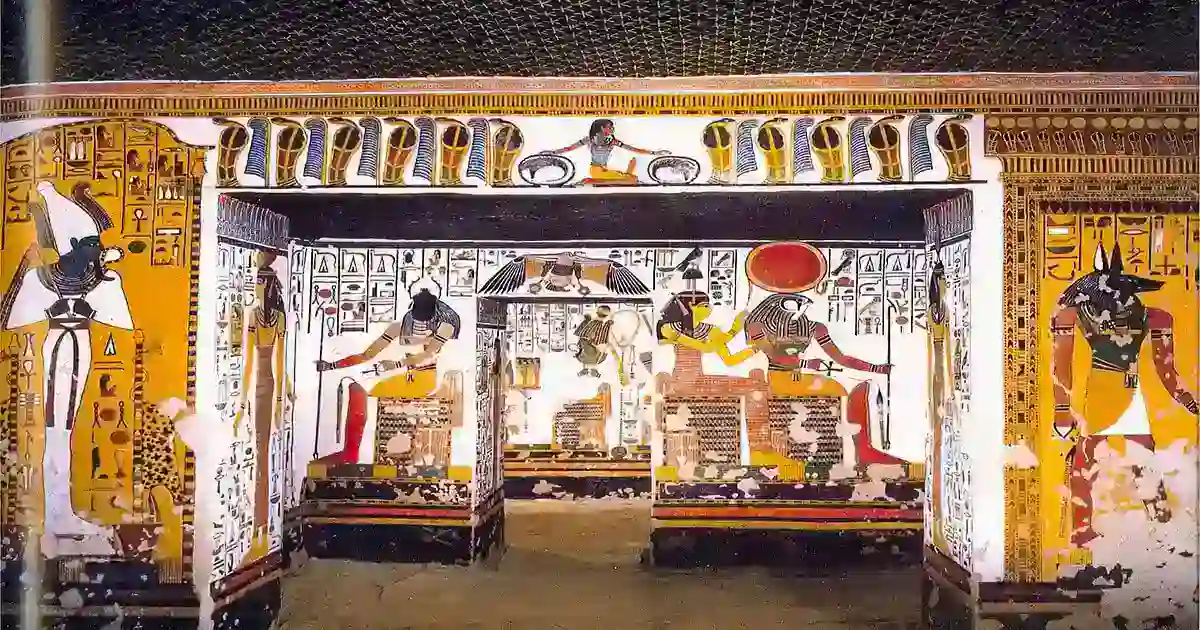
A queen’s name was often written inside a cartouche—an oval symbol representing protection and eternity. This was not granted lightly. It signified divine endorsement and royal status.
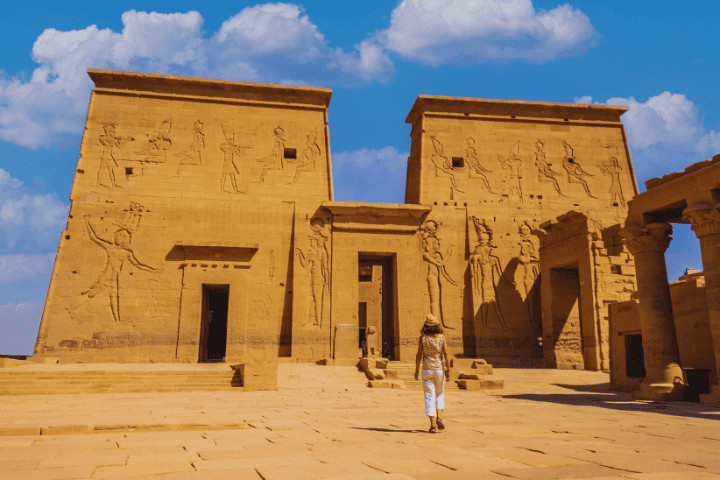
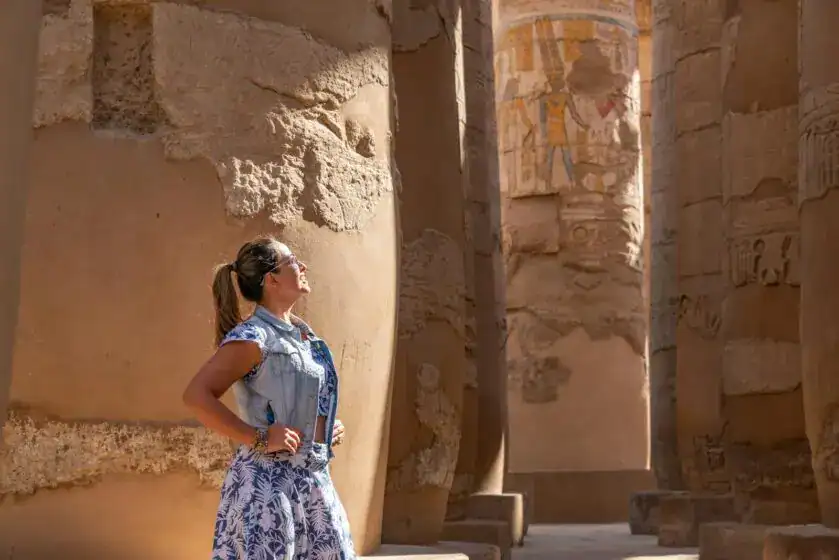
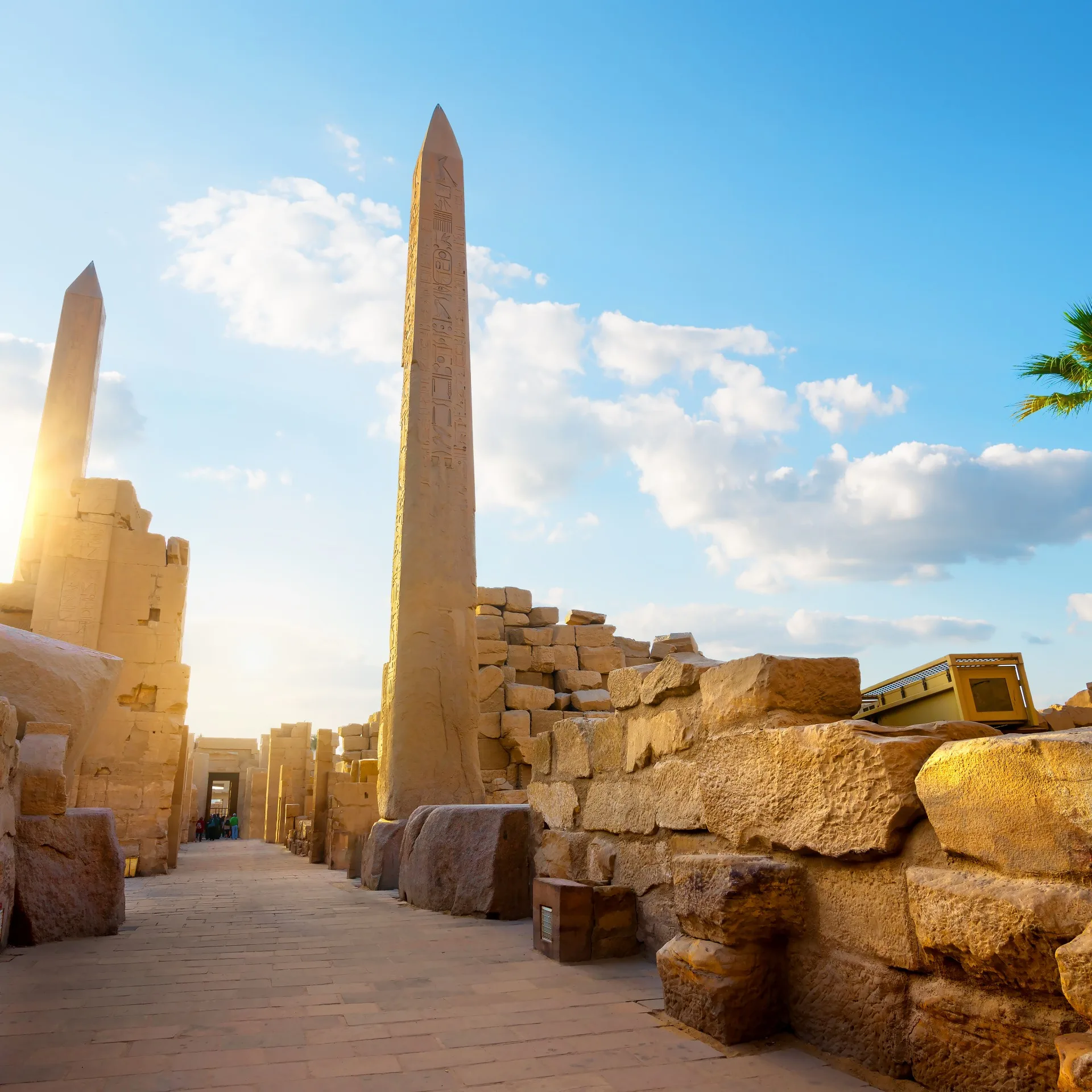
When you visit temple sites included in our Egypt Classic Tours, you can see these cartouches carved into stone walls, still preserved after thousands of years.
The Name of Egyptian Queen as Political Strategy
Sometimes, the name of Egyptian queen was strategically chosen to reflect alliances or political shifts. Marriage between royal families strengthened diplomatic ties, and names sometimes honored foreign origins.
For example, queens of foreign descent retained names that reflected their heritage while integrating Egyptian religious symbolism.
Famous Egyptian Queen Names and Their Significance
Let’s explore some of the most iconic ancient Egyptian queen names and how the Egyptian queen names custom shaped their legacy.
Hatshepsut
Hatshepsut took on full pharaonic titles, adopting masculine regalia while maintaining her queenly identity. Her name emphasized noble lineage and divine favor.
Nefertiti
Nefertiti means “The Beautiful One Has Come.” Her name symbolized both beauty and divine arrival, reflecting her influential role during the Amarna religious revolution.
Cleopatra VII
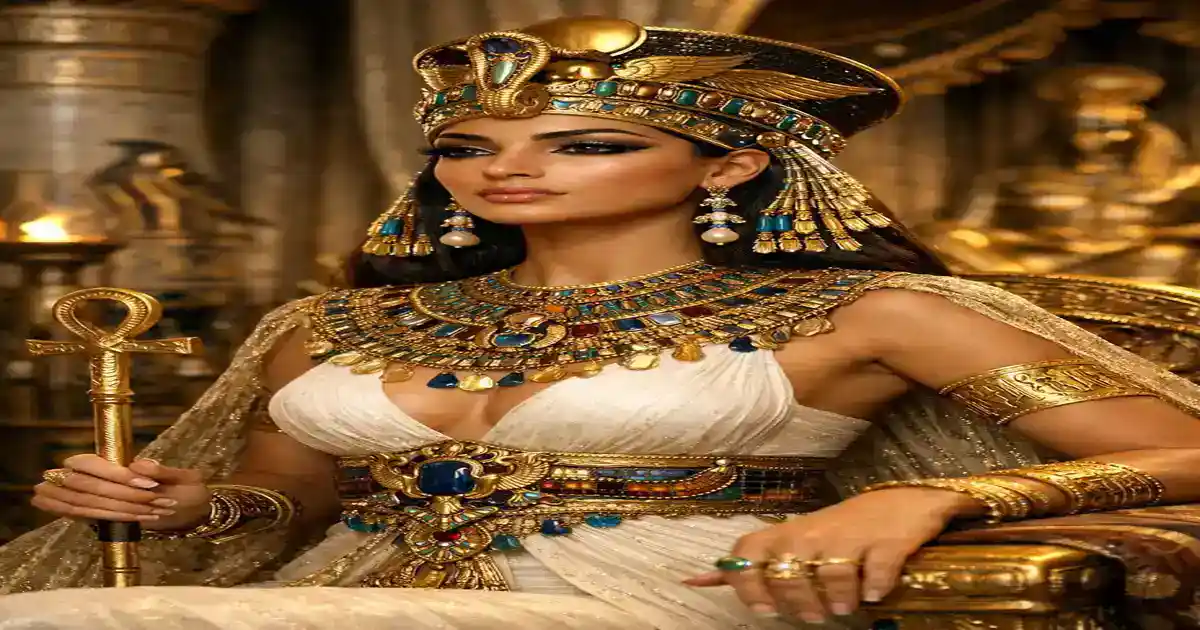
Cleopatra’s name is Greek, meaning “Glory of the Father.” Though foreign in origin, she embraced Egyptian traditions and portrayed herself as the goddess Isis.
These examples illustrate how the Egyptian queen names custom blended cultural identity, religion, and political authority.
Egyptian Queen Names Custom in Religious and Cultural Context
Religion deeply influenced ancient Egyptian queen names.
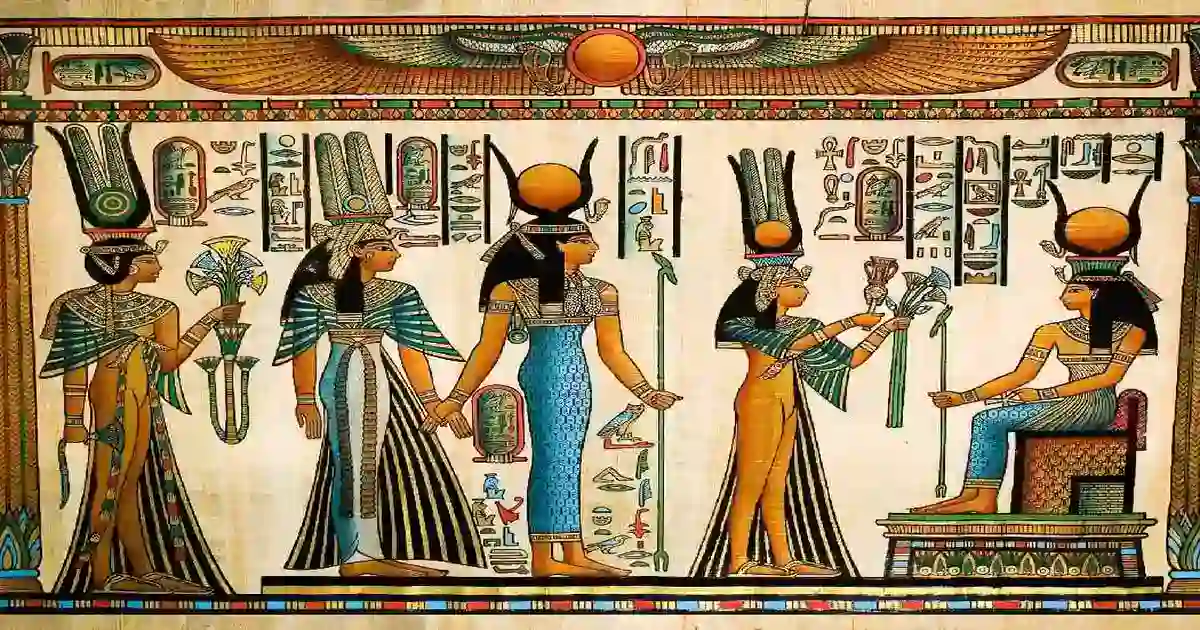
Queens as Goddesses
Queens were often associated with:
- Isis (motherhood and magic)
- Hathor (love and beauty)
- Mut (mother goddess)
By embedding divine elements into their names, queens reinforced their sacred role.
Titles vs. Birth Names
A queen might have:
- A birth name
- A throne name
- Multiple ceremonial titles
This layered naming system strengthened legitimacy.
Expert Insights & Travel Tips for Exploring Royal History
If you’re fascinated by the Egyptian queen names custom, visiting historical sites provides unmatched insight.
Best Places to Discover Queen Egyptian Names
- Luxor Temple
- Karnak Temple
- Valley of the Queens
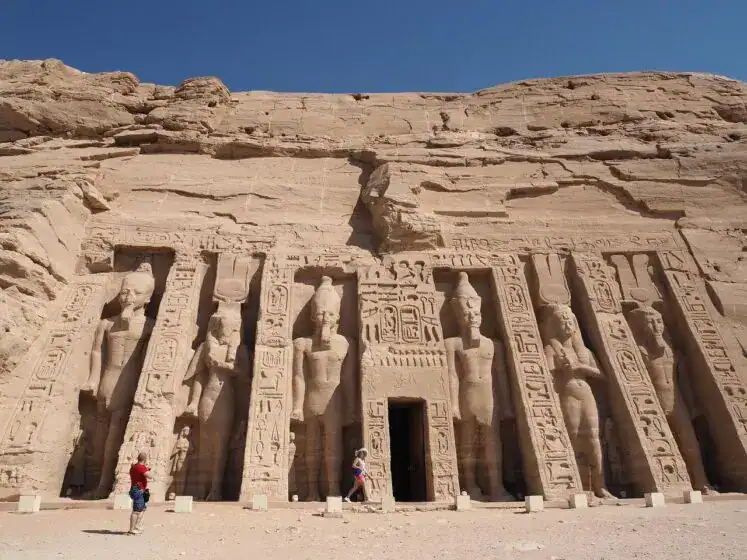
- Abu Simbel
At Abu Simbel, Ramses II honored Queen Nefertari with a temple nearly equal in size to his own—an extraordinary tribute.
Travel Tips
- Visit Luxor between October and April
- Hire an expert Egyptologist guide
- Explore both temples and tombs
- Combine Cairo and Luxor itineraries
Our curated Egypt Tour packages allow travelers to explore royal sites with professional guides who explain inscriptions in detail.
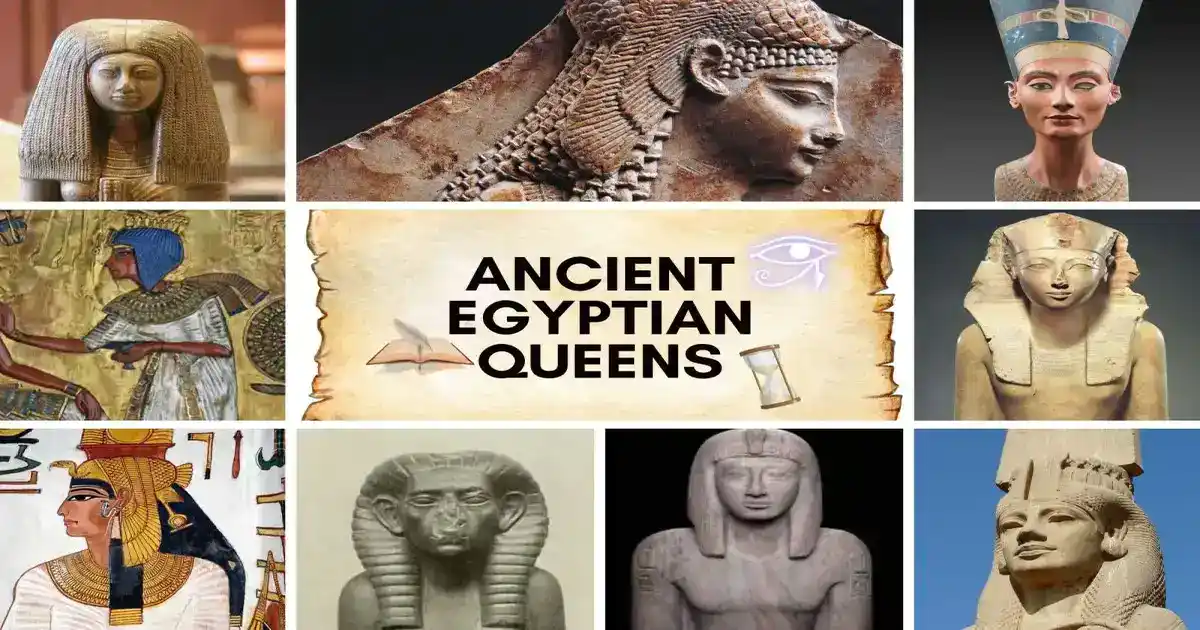
Why Egyptian Queen Names Still Fascinate Us
The endurance of ancient Egyptian queen names reflects timeless human fascination with power, identity, and legacy. These names were carefully crafted to inspire loyalty, awe, and divine association.
Even today, names like Nefertiti and Cleopatra evoke elegance, intelligence, and political influence.
Understanding the Egyptian queen names custom helps us appreciate how language, symbolism, and authority intertwined in one of the world’s most enduring civilizations.
Conclusion – The Lasting Legacy of Egyptian Queen Names Custom
The Egyptian queen names custom was a profound expression of identity, spirituality, and political authority. Through divine references, protective cartouches, and symbolic meanings, ancient Egyptian queen names were designed to ensure eternal remembrance.
From Hatshepsut’s bold rule to Cleopatra’s diplomatic brilliance, each Egyptian queen name reflects a story of strength and transformation.
If you wish to explore the temples and tombs where these names are carved in stone, discover our tailored Egypt Tour packages or immersive Egypt Classic Tours. Walk among the monuments, read the hieroglyphs, and experience firsthand the enduring legacy of the Egyptian queen names custom.
FAQ Section
1. What is the Egyptian queen names custom?
The Egyptian queen names custom refers to the tradition of giving queens names that reflected divine association, beauty, power, and legitimacy, often written inside protective cartouches.
2. Why were ancient Egyptian queen names important?
Names were believed to hold magical power. Preserving a queen’s name ensured her eternal existence in the afterlife.
3. Did queens have more than one name?
Yes, many queens had birth names, throne names, and ceremonial titles, each serving different political and religious purposes.
4. Who is the most famous Egyptian queen?
Cleopatra VII is widely known globally, but Hatshepsut and Nefertiti are equally significant in Egyptian history.
5. Where can I see Egyptian queen names today?
You can see them carved in temples and tombs across Luxor, Abu Simbel, and the Valley of the Queens—often included in Egypt Classic Tours.
Final Reflection
The beauty of the Egyptian queen names custom lies in its depth—where every syllable carried sacred power and every cartouche promised immortality. Through stone inscriptions and timeless monuments, these royal names continue to echo across history, reminding us that identity, when carved with purpose, becomes eternal.