
Among all the treasures of ancient Egypt, few objects are as instantly recognizable or deeply symbolic as ancient Egyptian scarab jewelry. Small in size but immense in meaning, scarab ornaments were worn by kings, nobles, priests, and everyday people alike. They were not just decorative items—they were powerful symbols of protection, rebirth, and eternal life.
The popularity of ancient Egyptian scarab jewelry spanned thousands of years, appearing in rings, necklaces, bracelets, seals, and funerary amulets. Each scarab carried spiritual significance tied to the sun god, the cycle of life, and the journey to the afterlife.
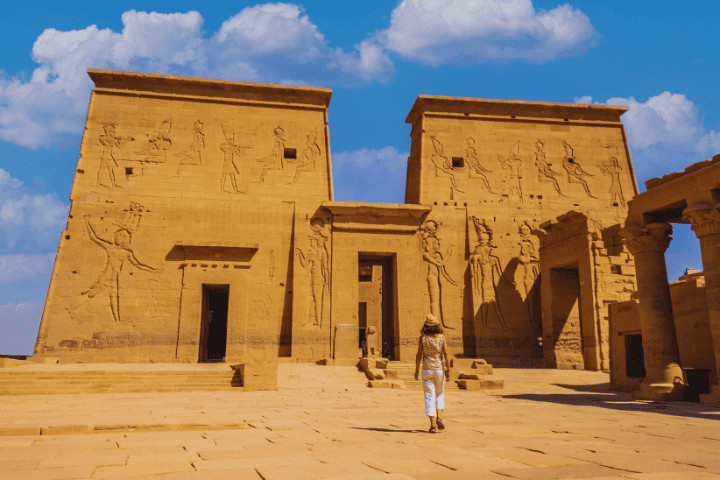
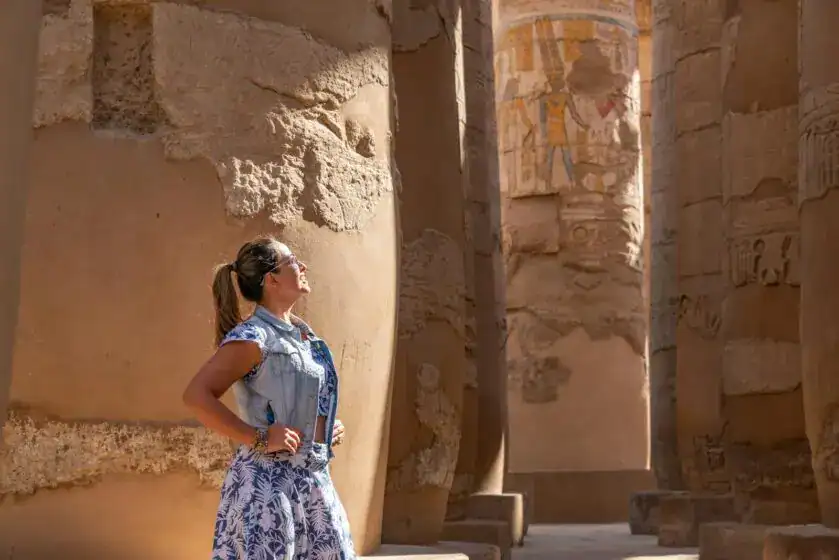
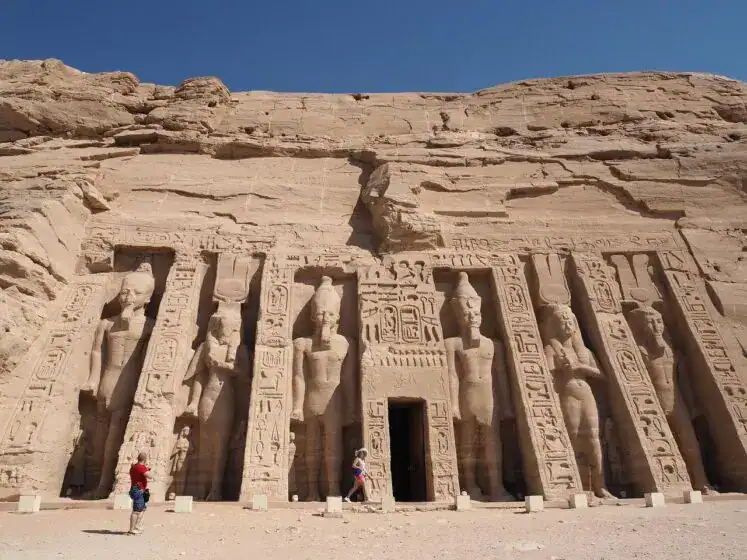
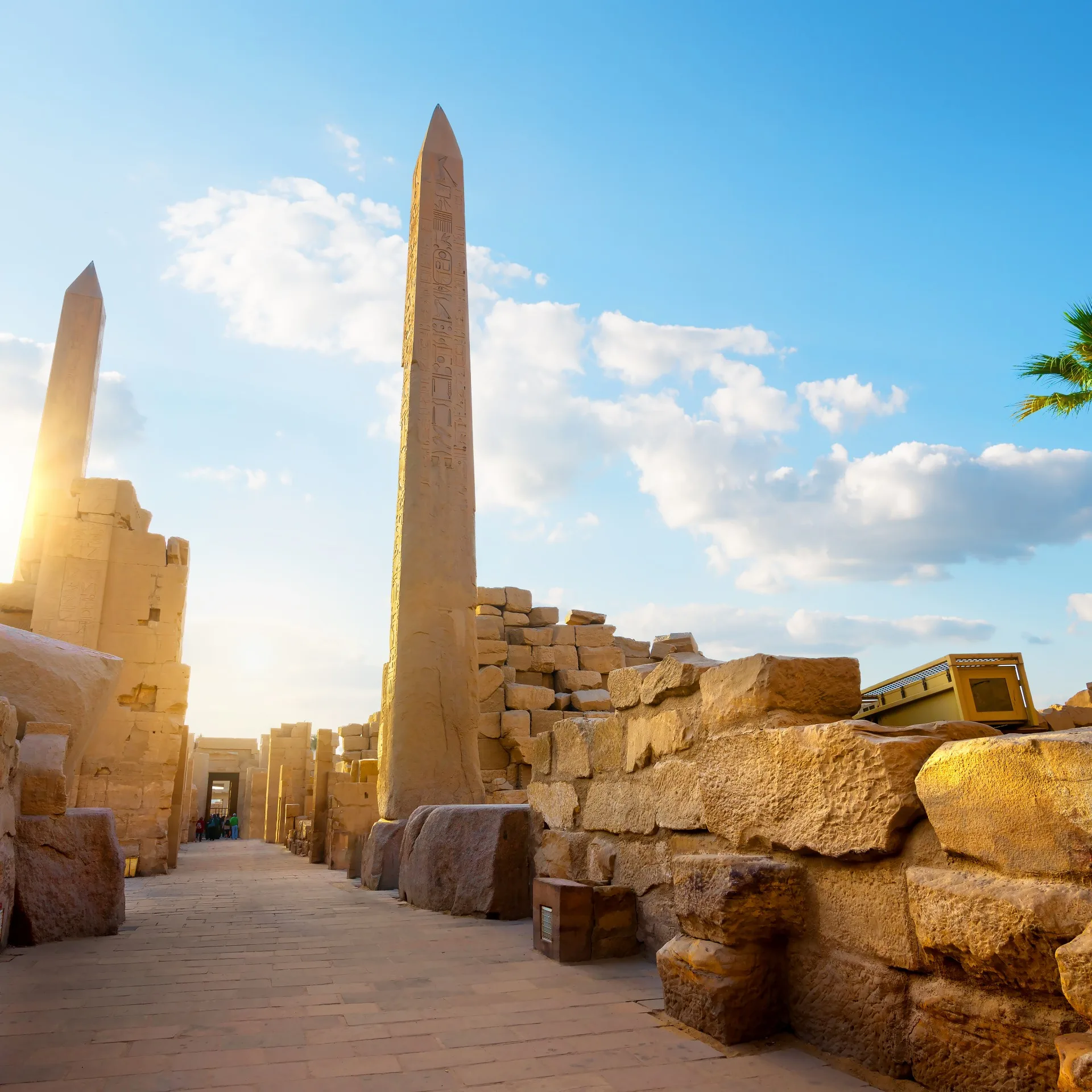
Today, visitors exploring Egypt through immersive Egypt Tour Packages, refined Luxury Egypt Tours, or heritage-rich Egypt Classic Tours encounter scarab jewelry in museums, tombs, and temples—still carrying the same aura of mystery and power.
Context & Background – The Origins of Ancient Egyptian Scarab Jewelry
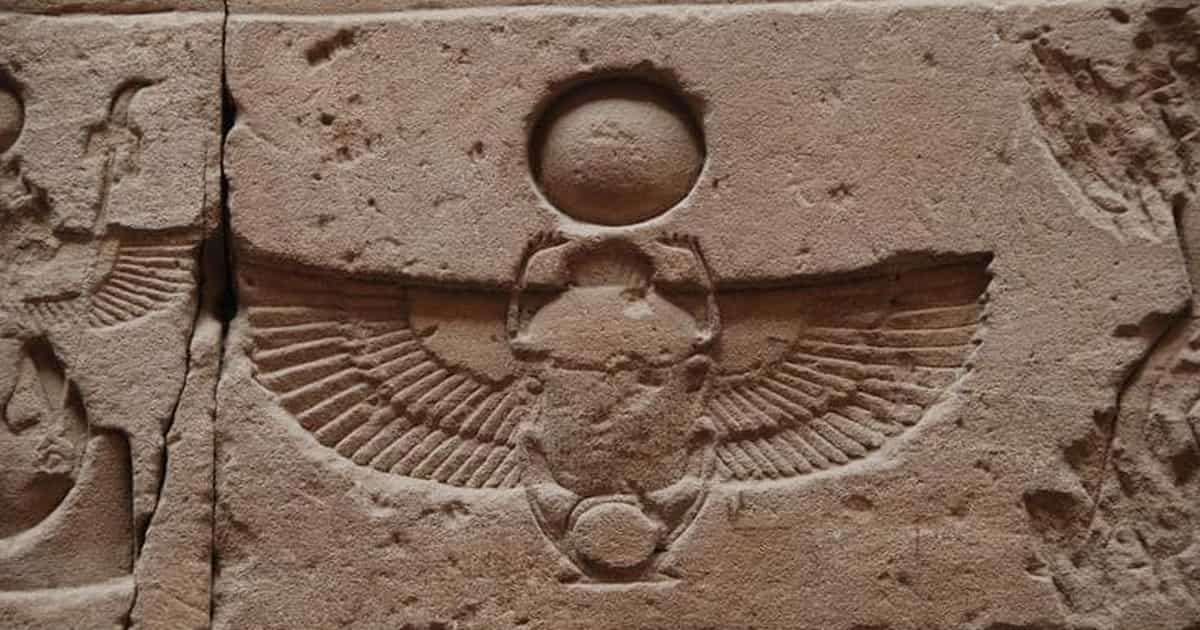
To understand ancient Egyptian scarab jewelry, we must begin with the scarab beetle itself. The dung beetle (Scarabaeus sacer) was observed rolling balls of dung across the ground, within which it laid its eggs. To the ancient Egyptians, this behavior symbolized creation, renewal, and rebirth.
They associated the scarab with Khepri, the god of the rising sun, who was believed to push the sun across the sky each morning just as the beetle pushed its ball. This connection transformed a simple insect into one of the most powerful symbols in Egyptian religion.
As a result, scarabs became sacred icons—carved, polished, inscribed, and worn as jewelry that blended beauty with deep spiritual meaning.
Ancient Egyptian Scarab Jewelry and Its Spiritual Meaning
The Scarab as a Symbol of Rebirth
The core meaning behind ancient Egyptian scarab jewelry was rebirth. Just as the sun rose every day, Egyptians believed the soul could be reborn after death.
Scarabs symbolized:
- Renewal and transformation
- Eternal life
- The soul’s journey through the afterlife
This is why scarab amulets were commonly placed on mummies, especially over the heart.
Heart Scarabs and the Afterlife
One of the most important forms of scarab jewelry was the heart scarab. These large amulets were placed on the chest of the deceased during burial.
They were inscribed with spells from the Book of the Dead, asking the heart not to testify against the soul during judgment in the afterlife. This made the scarab not only jewelry, but a spiritual safeguard.
Many examples of heart scarabs can be seen today while touring museums on Egypt Classic Tours, offering a powerful glimpse into ancient beliefs.

Protection and Magical Power
Beyond rebirth, ancient Egyptian scarab jewelry was believed to protect the wearer from:
- Evil spirits
- Illness
- Misfortune
Scarabs were worn in daily life as rings or pendants, serving as portable magic. Soldiers, travelers, and officials often carried them for safety and luck.
Materials and Craftsmanship of Scarab Jewelry
Common Materials Used
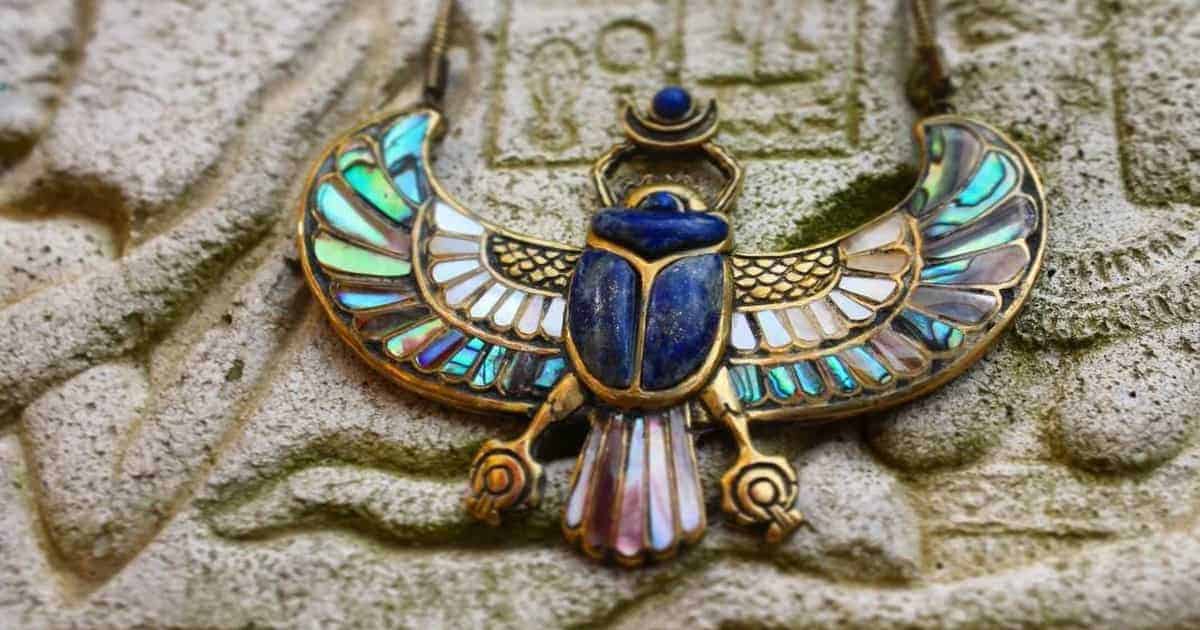
Ancient Egyptian artisans used a variety of materials to create scarab jewelry, depending on status and purpose.
Popular materials included:
- Faience (glazed ceramic, most common)
- Steatite (soapstone)
- Gold
- Lapis lazuli
- Carnelian
- Turquoise
Gold scarabs were typically reserved for royalty and high-ranking nobles, while faience scarabs were accessible to the wider population.
Artistic Techniques and Inscriptions
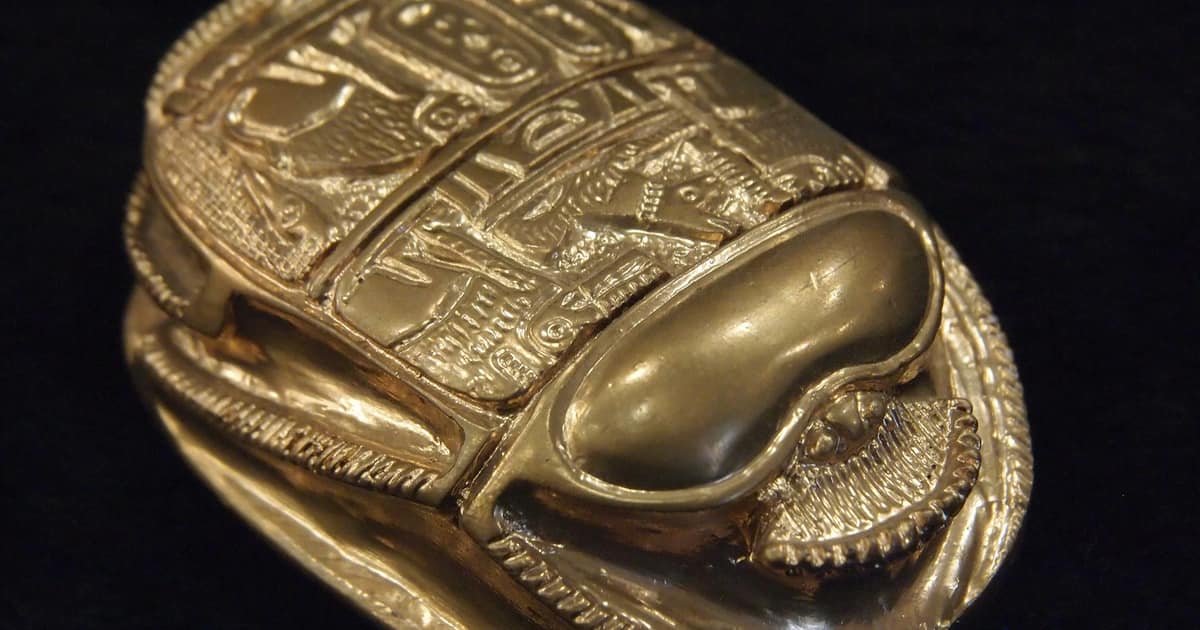
Scarabs were carved with incredible precision. The underside was often engraved with:
- Names of gods
- Protective spells
- Royal cartouches
- Decorative patterns
Some scarabs also functioned as seals, pressed into clay to mark documents—combining beauty, identity, and authority.
Who Wore Ancient Egyptian Scarab Jewelry?
Pharaohs and Nobility
For the elite, ancient Egyptian scarab jewelry was a statement of divine connection and power. Pharaohs wore scarabs to reinforce their role as intermediaries between gods and humans.
Nobles wore them to display status and secure favor from the gods.
Priests and Officials
Priests wore scarabs in religious ceremonies, while officials used scarab seals in administration. In this way, scarab jewelry bridged religion, politics, and daily life.
Ordinary Egyptians
Scarabs were not exclusive to the elite. Ordinary Egyptians wore simple scarab amulets for protection, fertility, and good fortune—proving how deeply this symbol resonated across society.
Scarab Jewelry in Tombs and Funerary Practices
Scarab jewelry played a central role in burial rituals. Egyptians believed life continued after death, and scarabs ensured safe passage.
Funerary scarabs were often:
- Larger than everyday jewelry
- Inscribed with sacred texts
- Made specifically for burial
Visitors on Luxury Egypt Tours often see these scarabs displayed alongside mummies, highlighting their spiritual importance.
Expert Insights & Practical Tips for Travelers
Understanding ancient Egyptian scarab jewelry adds depth to any visit to Egypt.
Practical Tips:
- Look closely at scarabs in museum collections—read the inscriptions
- Visit Luxor and Cairo museums for the best examples
- Ask guides about heart scarabs and burial customs
Best Experiences:
- Museum-focused Egypt Classic Tours
- High-end, curator-led Luxury Egypt Tours
- Cultural immersion through Egypt Tour Packages
Seeing scarab jewelry in its historical context transforms it from an artifact into a story.
External Historical Perspective
According to Wikipedia, scarabs were among the most common amulets in ancient Egypt, used from the Middle Kingdom onward for protection, identity, and funerary purposes. Their widespread use reflects their deep cultural and religious significance.
Conclusion – Why Ancient Egyptian Scarab Jewelry Still Fascinates
Ancient Egyptian scarab jewelry is more than an artistic tradition—it is a window into how ancient Egyptians understood life, death, and eternity. These small objects carried enormous meaning, offering protection in life and rebirth in death.
Today, scarabs continue to captivate historians, travelers, and collectors alike. When you encounter them in Egypt, you are touching a belief system that endured for millennia.
Explore Egypt’s treasures through curated Egypt Tour Packages, or contact us to design a journey that brings ancient symbolism to life.
FAQ Section – Ancient Egyptian Scarab Jewelry
1. What is ancient Egyptian scarab jewelry?
It is jewelry shaped like a scarab beetle, worn for protection, rebirth, and spiritual power.
2. Why was the scarab important in ancient Egypt?
The scarab symbolized the sun, creation, and eternal life.
3. Who wore scarab jewelry in ancient Egypt?
Everyone—from pharaohs and priests to ordinary people—wore scarabs.
4. What materials were used to make scarab jewelry?
Common materials included faience, gold, lapis lazuli, and carnelian.
5. What is a heart scarab?
A heart scarab was a funerary amulet placed on the chest to protect the soul in the afterlife.
6. Can tourists see ancient scarab jewelry today?
Yes, many examples are displayed in museums visited on Egypt Classic Tours.
7. Did scarabs have inscriptions?
Yes, many scarabs were engraved with spells, names, or symbols.
8. Is scarab jewelry still made today?
Modern replicas exist, but ancient scarabs remain unique artifacts best seen in Egypt.