
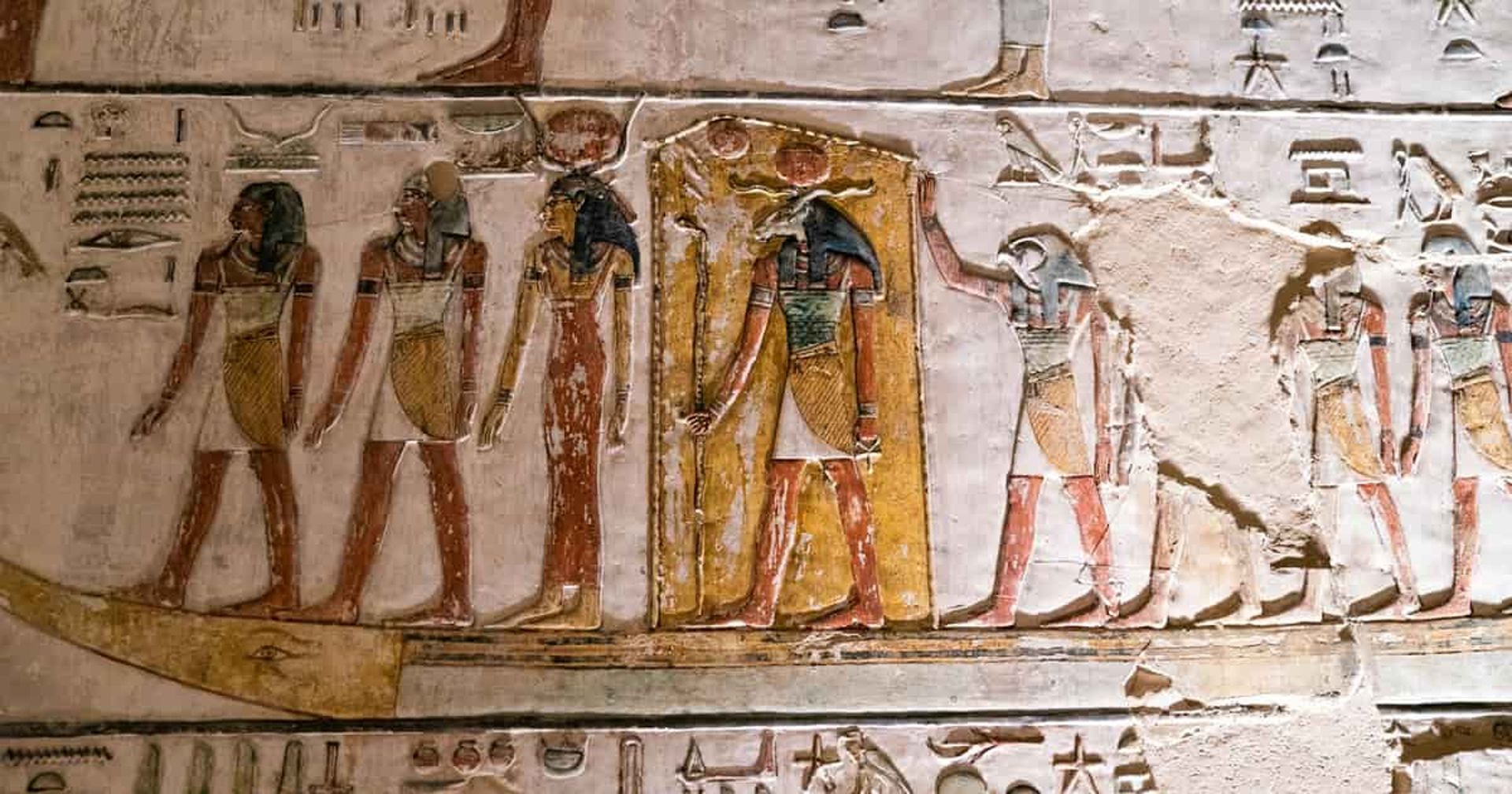
Nobles in ancient Egypt were the elite men and women who helped the Pharaoh govern the country. They handled taxes, temple work, military commands, and local administration, so the kingdom could function beyond the royal court. Understanding the nobles helps you see ancient Egypt as a working society, not only a place of pyramids and kings.
What is a noble in ancient Egypt?
A noble in ancient Egypt was a high-ranking member of society who served the Pharaoh and helped maintain order. Nobles stood just below the royal family and often came from influential families, though appointment also depended on loyalty, skill, and education. Their status brought privilege, but it also came with real administrative and religious duties.
The noble class included viziers, provincial governors called nomarchs, senior priests, military commanders, royal advisors, and scribes. Many nobles were tied to the palace or to major temples, where they managed land, workers, and records. That made them central to both government and religion.
What did nobles do in ancient Egypt?
Nobles in ancient Egypt did the everyday work that kept the state organized. They collected taxes, oversaw court matters, managed construction projects, controlled granaries, and supervised provincial rule. The most powerful noble was usually the vizier, who acted as the top official under the Pharaoh.
Nobles also worked inside the temple system. Temples owned land, workers, and goods, so noble priests managed resources, led rituals, and made sure offerings reached the gods. In a society where religion and politics were closely linked, that role carried both authority and pressure.
- Tax collection and record keeping
- Legal decisions and court oversight
- Temple administration and rituals
- Regional government and provincial control
- Army leadership and royal service
How did nobles fit into Egyptian society?
Nobles in ancient Egypt sat near the top of a very structured society. The Pharaoh stood above everyone, then came the nobles, followed by scribes, artisans, farmers, and laborers. That hierarchy helped Egypt keep control over a large territory and a long river valley.
Nobles helped connect the throne to local communities. A governor in a province could enforce royal policy far from the capital, while temple administrators could direct wealth into religious institutions. Their work made central rule possible across a country that stretched far beyond one city.
How did nobles live day to day?
Noble life in ancient Egypt was comfortable, but it was not idle. Nobles lived in large villas near the Nile, often with gardens, courtyards, servants’ quarters, and storage areas. These homes reflected status, yet they also supported a household that needed to function as a small administrative center.
Nobles wore fine linen, gold jewelry, and cosmetics, and both men and women used wigs and perfume. Education mattered too. Reading, writing, math, and religious texts helped noble children enter administration, and literacy gave this class a major advantage over most Egyptians.
Where did nobles get their wealth?
Noble wealth in ancient Egypt came mostly from land. Large estates produced crops, supported workers, and generated income for noble households. Nobles also received temple revenues, royal gifts, and profit from trade, which made many of them among the wealthiest people in the kingdom.
That wealth paid for homes, clothes, jewelry, servants, and tombs. It also bought influence. A noble who controlled land and labor had direct power over production, so economic status and political authority often went hand in hand.
Why are noble tombs so important?
Noble tombs matter because they show how elite Egyptians wanted to be remembered for eternity. Unlike Pharaohs, nobles were usually buried in mastabas, rock-cut tombs, or decorated burial chambers. Their walls often show farming, hunting, banquets, and family scenes that tell you what mattered to them.
Those scenes were not only decoration. Ancient Egyptians believed the images could help provide the same food, work, and comfort in the afterlife. Many noble tombs also contained jewelry, furniture, offerings, and ushabti figures meant to serve the dead. For travelers, these tombs are some of the best places to see daily life in ancient Egypt.
Could women be nobles in ancient Egypt?
Women in the noble class had more legal rights in ancient Egypt than women in many other ancient societies. Noblewomen could own property, inherit wealth, manage estates, and initiate divorce. Some also served as priestesses, which gave them religious authority as well as family influence.
Noblewomen often shaped politics behind the scenes through marriage, inheritance, and temple roles. Their presence in the record matters because it shows that elite power in ancient Egypt was not limited to men. Family networks mattered, and women were part of those networks in visible ways.
Where can travelers see nobles in ancient Egypt today?
Travelers can still see the world of nobles in ancient Egypt at tomb sites and temples across the country. Saqqara and Luxor are especially useful because they preserve decorated tombs, reliefs, and burial spaces tied to elite life. These sites help you understand how nobles lived, worked, and prepared for the afterlife.
A guided visit is the best way to read the scenes on the walls, because the details matter. An Egyptologist can point out titles, offerings, farm scenes, and family images that are easy to miss on your own. If you want to pair these sites with broader sightseeing, look at our /attractions/ and /day-tours/ pages, or combine them with longer trips through /Egypt-tours/.
- Saqqara for elite tombs and burial scenes
- Luxor for tombs and temple connections
- Temple complexes for priestly and administrative roles
- Guided tours for reading wall scenes with context
Why do nobles in ancient Egypt still matter to travelers?
Nobles in ancient Egypt matter because they show how the civilization worked beyond the throne. Their jobs connected government, religion, land, and labor, and their tombs preserve scenes of real life that feel close even after thousands of years. Travelers who focus only on Pharaohs miss most of how Egypt actually ran.
A good visit to noble tombs adds depth to any Egypt itinerary. You start to see who organized the grain, who supervised workers, who managed temples, and who carried royal policy into the provinces. That makes the ancient world easier to understand when you stand in front of a painted wall or a carved doorway.
Plan with us
Nobles in Ancient Egypt: Power, Life, and Tombs
Learn who nobles in ancient Egypt were, what they did, and where travelers can still see their tombs and temples today.