
When people think of ancient Egypt, pharaohs and pyramids usually come to mind first. Yet behind every powerful ruler stood an elite class that kept the civilization running—the ancient Egypt nobles. These men and women were administrators, priests, generals, and landowners who shaped Egypt’s politics, economy, and religious life for thousands of years.
The ancient Egypt nobles formed the backbone of the state. They governed provinces, managed temple wealth, led armies, and ensured that the pharaoh’s divine authority reached every corner of the kingdom. Their lives were filled with privilege, but also responsibility.
Today, travelers exploring Egypt through immersive Egypt Tour Packages, refined Luxury Egypt Tours, or heritage-focused Egypt Classic Tours can still see the tombs, temples, and estates that reveal how these nobles lived—and why their legacy matters.
Context & Background – Who Were the Ancient Egypt Nobles?
In ancient Egyptian society, nobles ranked just below the pharaoh and the royal family. They were not merely wealthy elites; they were essential to maintaining order (Ma’at), the cosmic balance that defined Egyptian belief.
The noble class included:
- High-ranking officials and viziers
- Governors of provinces (nomarchs)
- Senior priests and temple administrators
- Military commanders
- Royal advisors and scribes
Most nobles were appointed by the pharaoh, often based on loyalty, education, and family connections. Over time, noble families became powerful dynasties in their own right, passing titles and wealth through generations.
Understanding the ancient Egypt nobles is key to understanding how Egypt functioned beyond the throne.
Ancient Egypt Nobles and the Social Hierarchy
Egyptian society was highly structured. At the top stood the pharaoh, followed closely by the nobles. Below them were scribes, artisans, farmers, and laborers.
The Role of Nobles in Government
Nobles served as the administrative engine of the state. The most powerful noble was the vizier, effectively the prime minister of Egypt. He oversaw:
- Tax collection
- Legal courts
- Construction projects
- State granaries
Other nobles governed regions, ensuring loyalty to the crown. Without this class, Egypt’s centralized system could not function.
Nobles and the Priesthood
Religion and politics were inseparable in ancient Egypt. Many nobles held high priestly roles, managing temple estates and rituals.
Temples controlled vast wealth, including land, workers, and resources. Noble priests ensured offerings were made to the gods, reinforcing divine favor for the pharaoh and the state.
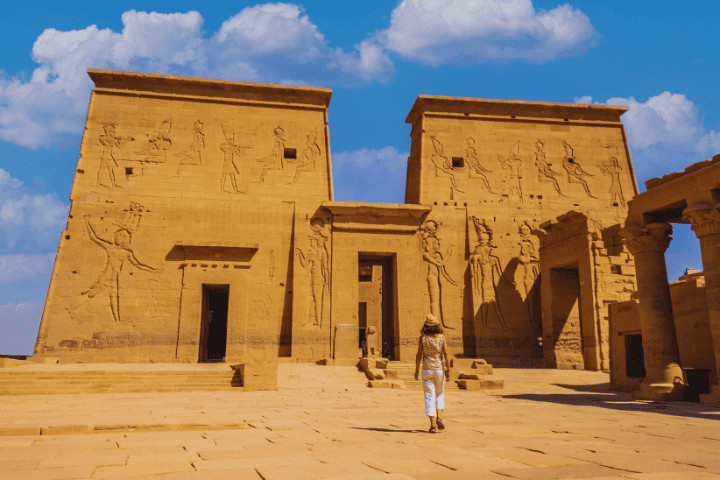
When visiting temples on Egypt Classic Tours, travelers often walk through spaces once controlled entirely by noble families.
Daily Life of Ancient Egypt Nobles
The lifestyle of ancient Egypt nobles reflected their high status, yet it was deeply tied to duty and belief in the afterlife.
Noble Homes and Estates
Nobles lived in large villas near the Nile, surrounded by gardens, servants’ quarters, and storage buildings. Their homes featured:
- Painted walls
- Courtyards with pools
- Furniture made of imported wood
These estates symbolized wealth and stability, often funded by land grants from the pharaoh.
Clothing, Jewelry, and Appearance
Nobles wore fine linen garments, often pleated and starched. Jewelry made of gold, lapis lazuli, and turquoise displayed their rank.
Men and women alike used cosmetics, wigs, and perfumes—not only for beauty, but for religious and health reasons.
Education and Literacy
One key distinction of the ancient Egypt nobles was education. Literacy was rare, and nobles ensured their children learned reading, writing, mathematics, and religious texts.
Scribes—often from noble families—were among the most respected professionals in Egypt.
Wealth, Land, and Economic Power
Nobles were among the wealthiest individuals in Egypt. Their power came largely from land ownership.
Sources of Noble Wealth:
- Agricultural estates
- Temple revenues
- Royal rewards
- Trade profits
They controlled labor forces and production, making them central to Egypt’s economy. Many noble estates rivaled royal holdings in size and influence.
This economic power explains why noble tombs are often nearly as impressive as royal ones.
Tombs and the Afterlife of Ancient Egypt Nobles
Belief in the afterlife shaped everything nobles did. They invested heavily in tombs to ensure eternal life.
Noble Tomb Architecture
Unlike pyramids, nobles were buried in:
- Mastabas
- Rock-cut tombs
- Decorated burial chambers
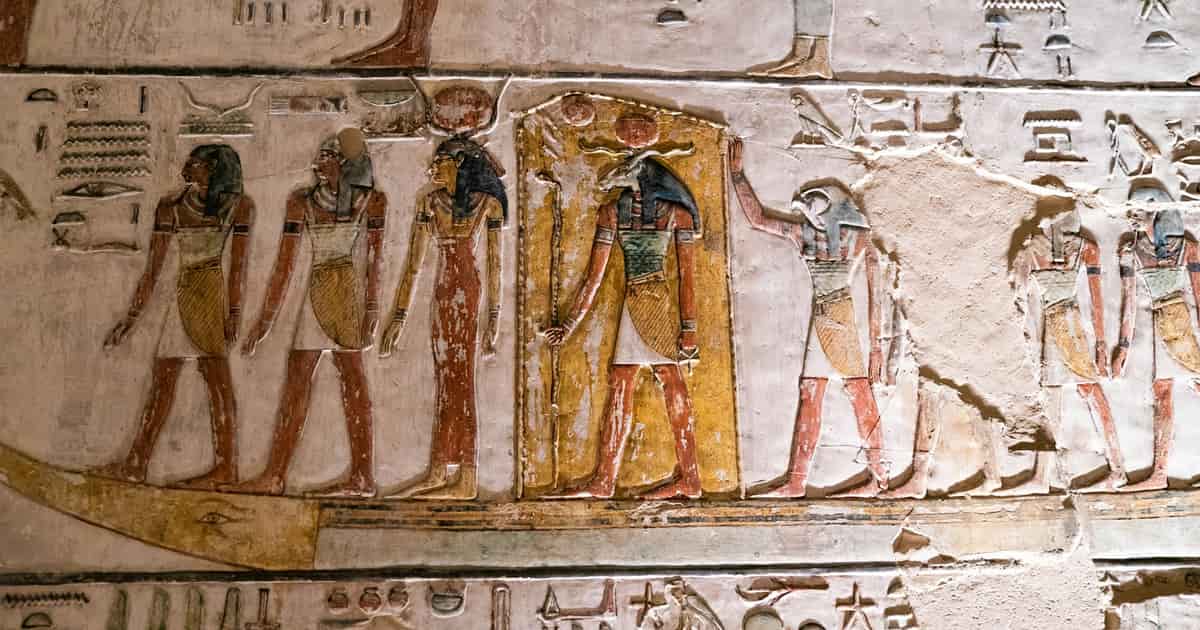
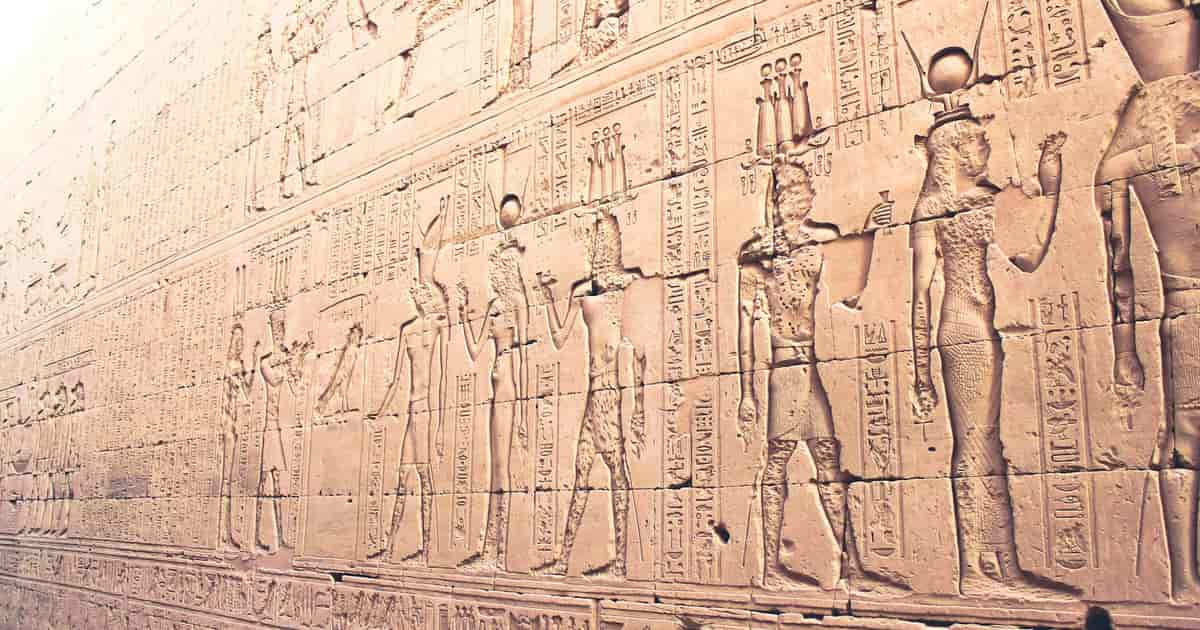
Walls depicted scenes of daily life—farming, banquets, hunting—intended to magically provide these activities in the afterlife.
Many of these tombs can be visited today on curated Luxury Egypt Tours, offering deep insight into elite life beyond the pharaohs.
Funerary Goods and Status
Nobles were buried with:
- Jewelry and furniture
- Food offerings
- Statues (ushabti) to serve them in the afterlife
These items reflected both wealth and belief, reinforcing the idea that status continued after death.
Women Among the Ancient Egypt Nobles
Unlike many ancient societies, noblewomen in Egypt held significant rights.
They could:
- Own and inherit property
- Initiate divorce
- Manage estates
- Serve as priestesses
Some noblewomen wielded enormous influence behind the scenes, shaping political alliances and religious institutions.
Expert Insights & Practical Tips for Travelers
Exploring the world of ancient Egypt nobles adds depth to any trip beyond the pyramids.
Practical Tips:
- Visit noble tombs in Saqqara and Luxor
- Look for daily-life scenes in wall reliefs
- Choose tours with expert Egyptologists
Recommended Experiences:
- Heritage-focused Egypt Classic Tours
- High-end, immersive Luxury Egypt Tours
- Comprehensive cultural Egypt Tour Packages
These journeys reveal the human stories behind Egypt’s elite class.
External Historical Perspective
According to Wikipedia, the noble class in ancient Egypt played a central role in governance, religion, and economic control, often acting as intermediaries between the pharaoh and the people. This reinforces their importance in maintaining one of history’s longest-lasting civilizations.
Conclusion – Why Ancient Egypt Nobles Still Matter
The story of Egypt is not only the story of pharaohs. It is also the story of the ancient Egypt nobles—the administrators, priests, and families who transformed royal vision into reality.
Their tombs, homes, and inscriptions allow us to see ancient Egypt as a living society, not just a collection of monuments. When you explore Egypt today, you are walking in the footsteps of these powerful individuals.
Discover their world through expertly curated Egypt Tour Packages, or contact us to design a journey that brings ancient history to life.
FAQ Section – Ancient Egypt Nobles
1. Who were the ancient Egypt nobles?
They were elite officials, priests, and governors who served the pharaoh and managed Egypt’s administration.
2. How were nobles different from pharaohs?
Pharaohs were divine rulers, while nobles were appointed elites who governed on their behalf.
3. Did ancient Egypt nobles own land?
Yes, land ownership was a major source of noble wealth and power.
4. Where were nobles buried?
They were buried in mastabas or rock-cut tombs, often richly decorated.
5. Could women be nobles in ancient Egypt?
Yes, noblewomen held property rights and religious authority.
6. Can tourists visit noble tombs today?
Absolutely. Many noble tombs are open to visitors on Egypt Classic Tours.
7. What jobs did nobles have?
They served as viziers, priests, military leaders, and provincial governors.
8. Why are nobles important to Egyptian history?
They ensured stability, governance, and continuity for over 3,000 years.