
For centuries, travelers and historians alike have asked the same question: tomb kings how to build the pyramids? These colossal monuments rising from the sands of Egypt are more than architectural wonders—they are eternal symbols of royal ambition and divine power. Understanding tomb kings how to build the pyramids means stepping back into a world where engineering, religion, and political authority were inseparable.
The mystery of how to build the pyramids continues to fascinate modern audiences. From the vast workforce that shaped each stone to the intricate internal chambers hidden within, the story of how ancient Egyptians managed to build the pyramids is one of determination, intelligence, and spiritual devotion.
Today, visitors exploring Egypt through curated Egypt Tour Packages or immersive Egypt Classic Tours stand before these royal tombs in awe. But how were they constructed? Who built them? And what drove the tomb kings to create monuments of such scale? Let’s uncover the answers in detail.
The Historical Context Behind Tomb Kings and Pyramid Construction
To fully grasp tomb kings how to build the pyramids, we must first understand why pyramids were built in the first place.
The Belief in Eternal Life
Ancient Egyptian religion revolved around the afterlife. Pharaohs were considered divine rulers, earthly representatives of the gods. Upon death, they required a secure, eternal resting place to ensure their resurrection.
The pyramids were not simply tombs—they were resurrection machines. Their shape symbolized the rays of the sun, connecting the deceased king with the sun god Ra.
The Old Kingdom: The Age of Pyramid Building
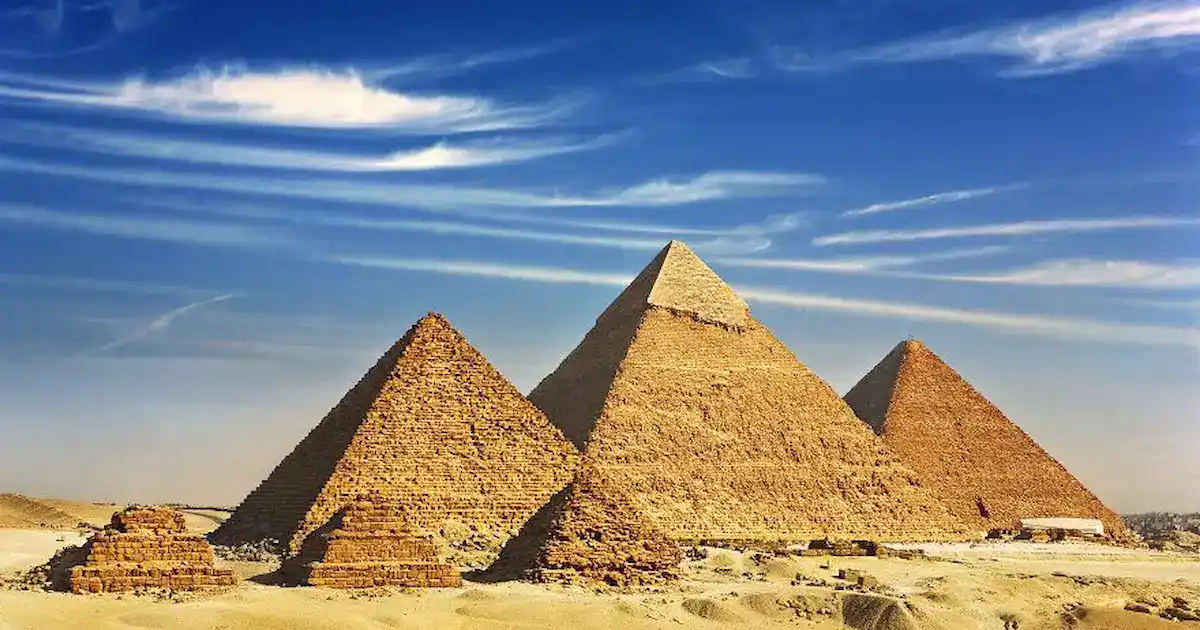
The golden age of pyramid construction occurred during the Old Kingdom (c. 2686–2181 BCE). The most famous pyramids were built during the Fourth Dynasty, especially for:
- Khufu
- Khafre
- Menkaure
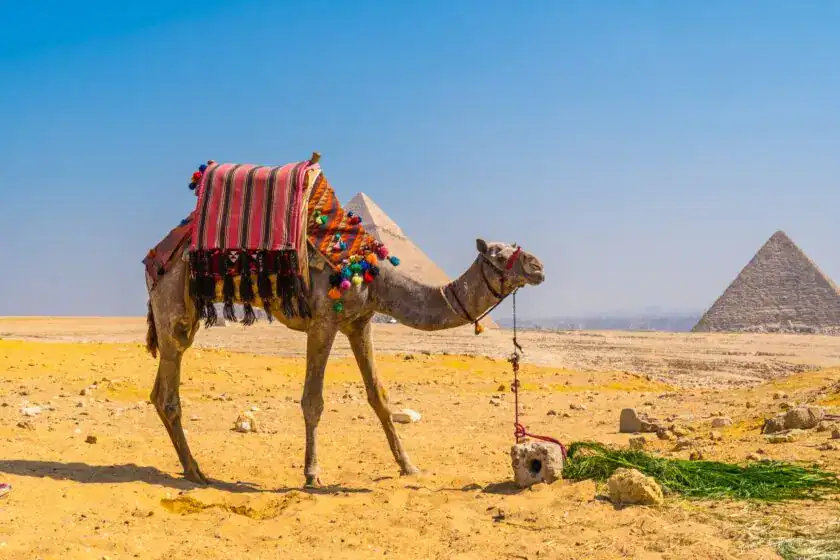
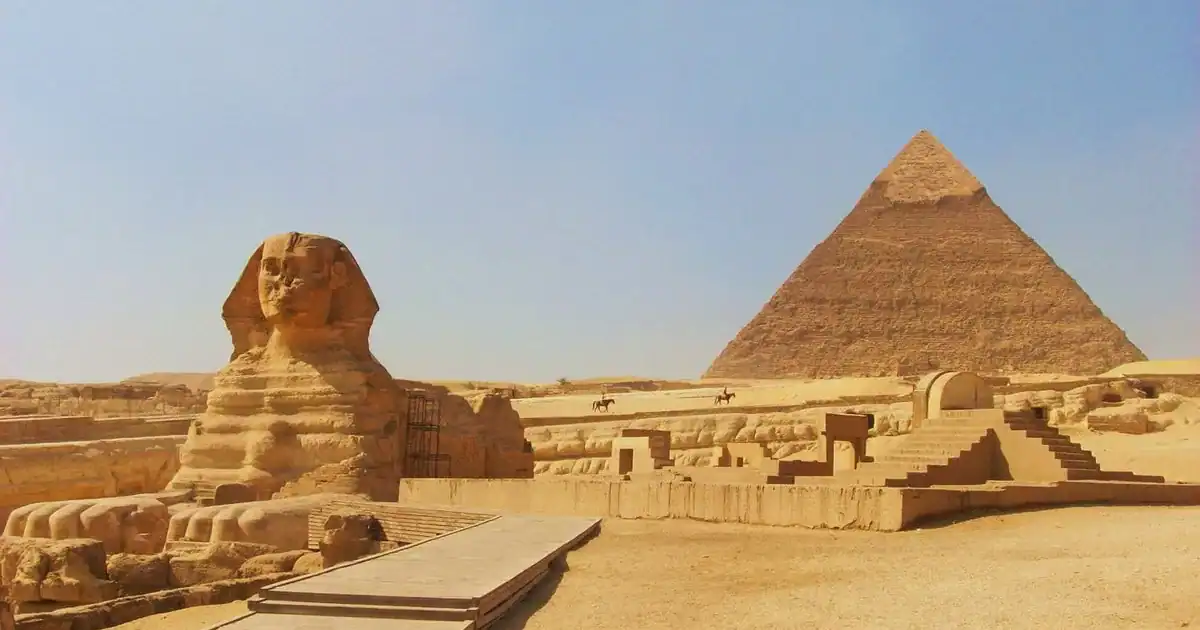
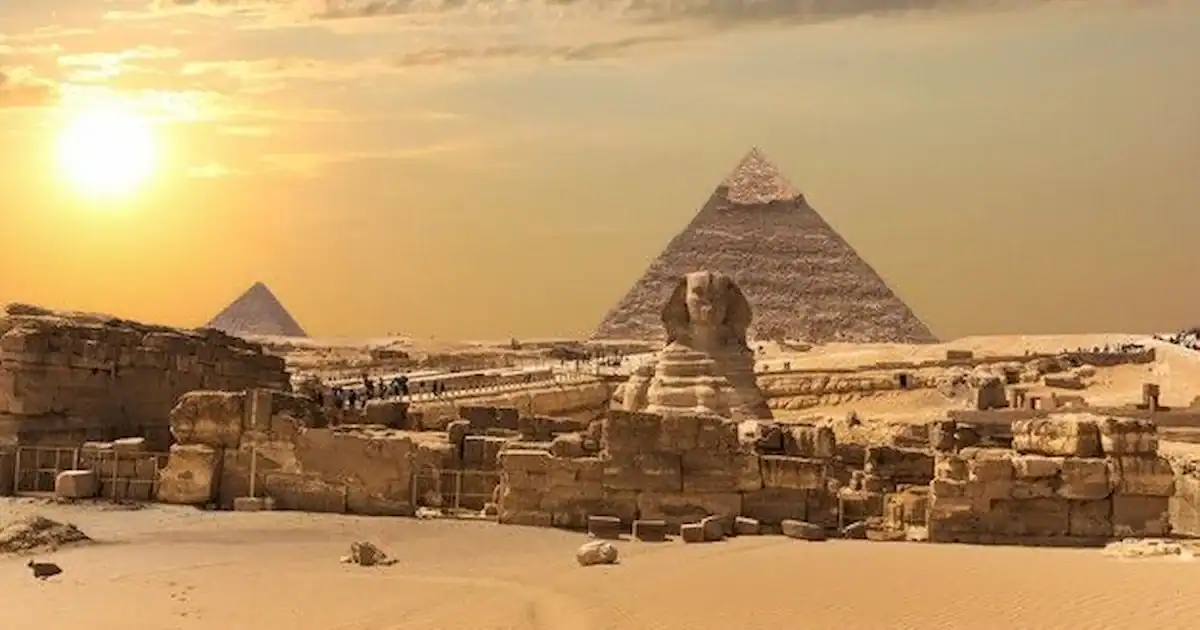
Their pyramids dominate the Giza Plateau, a UNESCO World Heritage Site that continues to inspire global admiration.
For historical reference, you can explore more about the Great Pyramid here:
WikipediaGreat Pyramid of Giza – Wikipedia
Tomb Kings How to Build the Pyramids – The Construction Process Explained
Now we reach the heart of the topic: tomb kings how to build the pyramids. Contrary to popular myths, they were not built by enslaved people but by skilled laborers organized into highly structured teams.
Step 1 – Site Selection and Planning
The Giza Plateau was carefully chosen:
- Stable limestone bedrock
- Proximity to the Nile for transporting materials
- Alignment with cardinal directions
Ancient architects used astronomy to align the pyramid bases almost perfectly with true north. The precision achieved remains astonishing even by modern standards.
Step 2 – Quarrying the Stone
To build the pyramids, builders used:
- Local limestone for the core
- Fine Tura limestone for the outer casing
- Granite from Aswan for internal chambers
Copper chisels, stone hammers, and wooden wedges were used to extract blocks weighing between 2 and 15 tons.
Step 3 – Transportation
One of the biggest mysteries of how to build the pyramids was moving the massive stones.
Recent archaeological discoveries show that:
- Workers used sledges pulled over wet sand to reduce friction
- Canals connected quarries to construction sites
- Ramps—straight, zigzag, or circular—helped elevate blocks
Reliefs discovered in tombs show teams of workers pulling statues on sledges while others poured water ahead to ease movement.
Step 4 – Workforce Organization
At peak construction, thousands of workers lived in organized villages near the pyramid site. Evidence from workers’ cemeteries suggests:
- They were well-fed
- They received medical care
- They worked in rotating shifts
The project to build the pyramids was a national effort demonstrating centralized authority and logistical brilliance.
Step 5 – Internal Chambers and Burial Design
The interior design of each pyramid was complex:
- Descending corridors
- Grand galleries
- King’s Chamber and Queen’s Chamber
- Hidden relieving chambers
These features were not random; they protected the burial and supported the massive stone weight above.
Engineering Marvels and Mathematical Precision
When examining tomb kings how to build the pyramids, one cannot ignore the mathematical sophistication involved.
Alignment and Geometry
The Great Pyramid’s base is aligned within a fraction of a degree of true north. Its proportions reflect knowledge of:
- Geometry
- Astronomy
- Advanced surveying
Some researchers even note mathematical relationships involving pi and the golden ratio.
Structural Stability
The pyramids have survived earthquakes and millennia of erosion. Builders distributed weight strategically and used interlocking blocks to create structural resilience.
Their design remains one of humanity’s greatest architectural achievements.
Myths vs. Reality
Many theories have emerged about how to build the pyramids, including extraterrestrial involvement. However, archaeological evidence consistently supports human ingenuity.
Modern discoveries of worker settlements and papyri—like the diary of Merer—provide detailed accounts of transporting limestone blocks for Khufu’s pyramid.
The real story is more impressive than fiction: disciplined organization, scientific understanding, and unwavering dedication.
Visiting the Pyramids Today – Expert Travel Insights
Seeing these tombs in person transforms abstract history into tangible reality.
Best Time to Visit
- October to April: Cooler temperatures
- Early Morning: Fewer crowds and better photography conditions
What to Expect
- Security checks at entrances
- Optional entry into selected pyramid chambers
- Camel and horse rides around the plateau
When booking through Egypt Classic Tours, guided visits provide historical context that enhances the experience. For travelers seeking luxury transportation and private access, our Egypt Tour Packages offer tailored itineraries.
Practical Tips
- Wear comfortable shoes
- Bring water and sun protection
- Respect preservation guidelines
- Consider a licensed guide for deeper insights
Conclusion – Tomb Kings How to Build the Pyramids Still Inspire the World
The story of tomb kings how to build the pyramids is ultimately a story of human achievement. These monumental tombs were not constructed through mystery or magic—but through intelligence, coordination, and deep spiritual conviction.
Understanding how to build the pyramids reveals the brilliance of ancient Egyptian civilization. From precise astronomical alignment to complex workforce logistics, every detail reflects a society at the height of its power.
Today, the pyramids continue to stand as guardians of history, inviting modern explorers to walk the same sands once trodden by kings and builders. If you are ready to experience these marvels firsthand, explore our Egypt Tour Packages or immerse yourself in heritage with our Egypt Classic Tours. The legacy of the tomb kings awaits you.
1. How long did it take to build the pyramids?
The Great Pyramid of Khufu likely took about 20 years to complete. Construction required thousands of workers operating in organized teams. Many Egypt Classic Tours explain this timeline in detail during guided visits.
2. Were the pyramids built by slaves?
No, archaeological evidence shows they were built by skilled laborers who were well cared for. Worker villages near Giza confirm organized labor systems rather than forced slavery.
3. How were the massive stones lifted?
Most researchers believe ramp systems were used to raise blocks gradually. Wet sand techniques and sledges helped move stones horizontally before elevation.
4. Can visitors go inside the pyramids?
Yes, visitors can enter certain pyramids, including Khufu’s pyramid, for an additional ticket. Many Egypt Tour Packages include guided interior access options.
5. Why did tomb kings stop building pyramids?
After the Old Kingdom, pharaohs began constructing hidden tombs in the Valley of the Kings to prevent looting. These rock-cut tombs offered greater security than monumental pyramids.
The mystery of tomb kings how to build the pyramids continues to inspire scholars and travelers alike. These eternal monuments are not only relics of the past but living testaments to human ingenuity and ambition.