
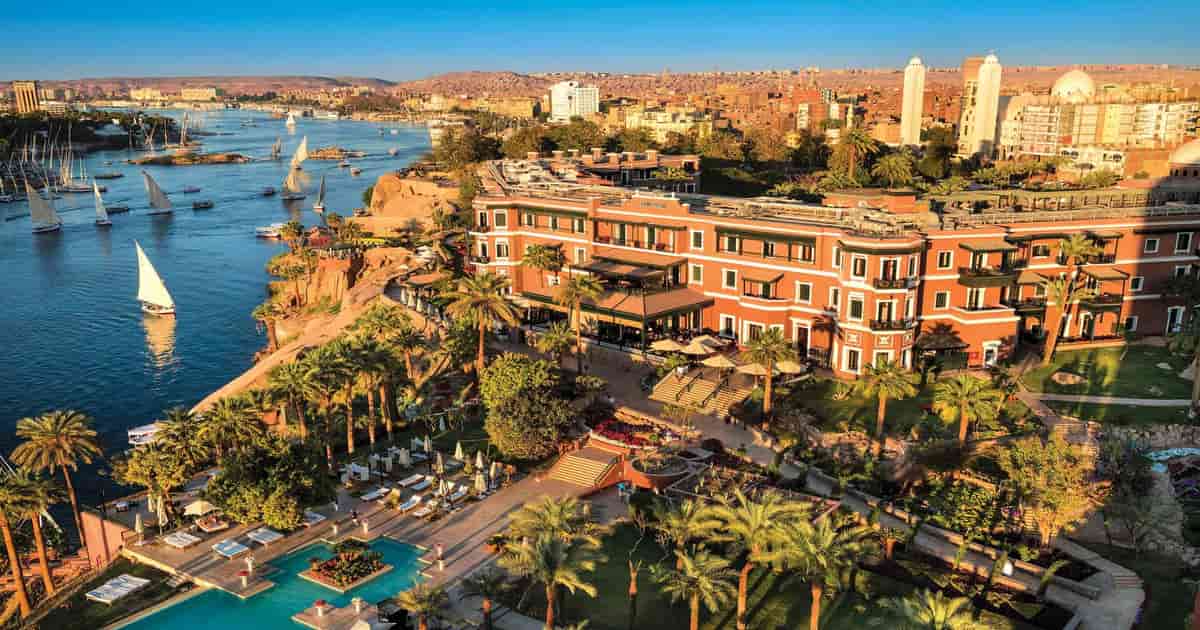
If you’ve ever wondered, what is a cataract in Egypt?, you’re not alone. The term often confuses travelers who associate “cataract” with an eye condition, not a river. Yet in geography, a cataract refers to a stretch of river where the water flows rapidly over rocky obstacles—creating natural rapids rather than smooth navigation.
Understanding what is a cataract in Egypt opens a fascinating chapter in ancient geography and history. The cataracts of the Nile were not merely natural formations; they shaped political borders, influenced trade routes, and defined military strategy in cataract ancient Egypt. In fact, the cataract in Nile River regions marked the southern limits of Egyptian power for centuries.
Today, visitors exploring Upper Egypt through curated journeys like Luxury Egypt Tours often visit the area around the First Cataract near Aswan, where granite rocks still interrupt the Nile’s flow. In this guide, we’ll answer in detail: what is a cataract in the Nile River, why it mattered in ancient times, how many cataracts existed, and what remains today.
Context & Background: The Geography Behind the Cataracts of the Nile
What Is a Cataract in the Nile River?
To clearly define what is a cataract in Egypt, we must start with geography. A cataract is a shallow stretch of river characterized by:
- Exposed rocks and granite boulders
- Strong currents and rapids
- Narrow river channels
- Difficult navigation conditions
Unlike waterfalls, cataracts are not dramatic vertical drops. Instead, they are turbulent sections where the river crashes around natural stone formations.
In the cataract in Nile River context, these rocky barriers formed primarily in southern Egypt and northern Sudan. They appeared where ancient granite bedrock rose to the surface, disrupting the Nile’s otherwise smooth flow.

How Many Cataracts of the Nile Were There?
Historically, there were six major cataracts of the Nile located between Aswan (southern Egypt) and Khartoum (Sudan).
They were numbered from north to south:
- First Cataract – Near modern Aswan
- Second Cataract – Now mostly submerged by Lake Nasser
- Third Cataract
- Fourth Cataract
- Fifth Cataract
- Sixth Cataract – Near Khartoum
The First Cataract map is particularly significant because it marked the traditional southern boundary of ancient Egypt during many dynasties.
Why the Cataracts Mattered in Ancient Egypt
Understanding what is a cataract in ancient Egypt means recognizing its political and economic importance.
The cataracts acted as:
- Natural defensive barriers
- Trade checkpoints
- Cultural boundaries
- Strategic military strongholds
Because boats could not easily pass through these rocky rapids, the cataracts controlled access between Egypt and Nubia. This made them powerful natural borders.
Cataract Ancient Egypt and the Southern Frontier
The First Cataract, located near Aswan, was particularly crucial. For much of ancient history, it defined Egypt’s southern frontier. Beyond it lay Nubia—a land rich in gold, ivory, ebony, and exotic goods.
Control over this region meant control over wealth.
Ancient fortresses were built near cataracts to:
- Monitor trade routes
- Defend against invasions
- Tax goods passing through
You can find historical summaries about the Nile’s geography on authoritative resources such as Wikipedia’s page on the Nile River, which explains the formation and significance of these cataracts.
The Core Topic: What Is a Cataract in Ancient Egypt and Why It Shaped Civilization
Now let’s go deeper into what is a cataract in ancient Egypt and how these formations influenced daily life, politics, religion, and economy.
The First Cataract – Egypt’s Gateway to Africa
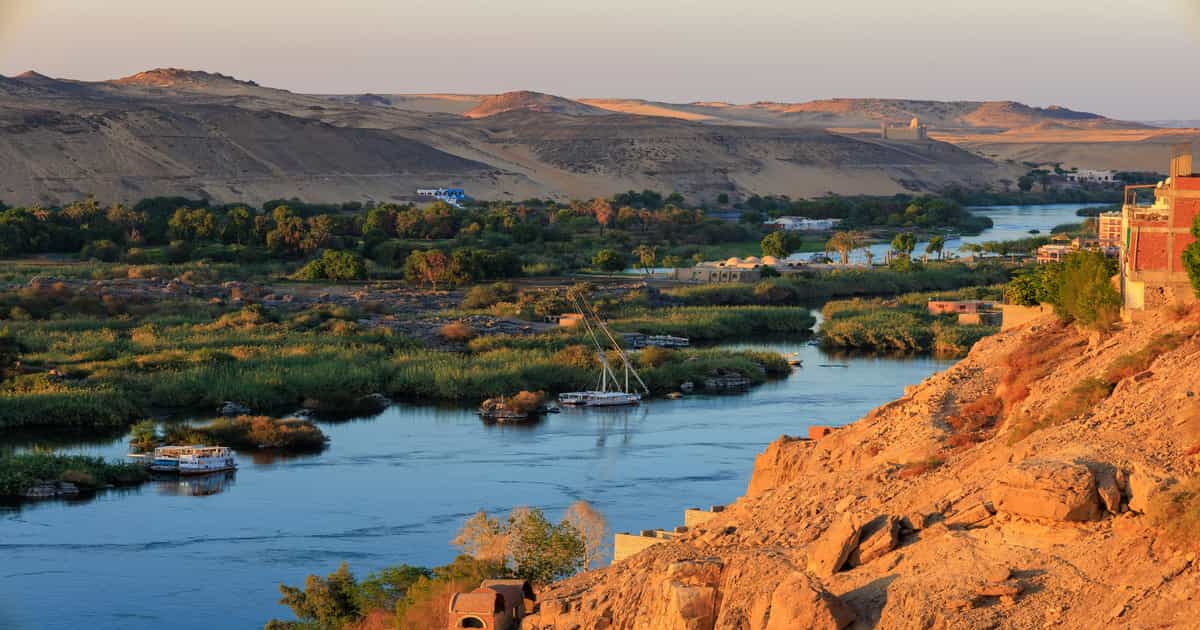
The First Cataract near Aswan was the most famous. It marked the beginning of Upper Egypt and symbolized a transition zone between Egyptian civilization and Nubian territories.
Key features:
- Granite rock formations
- Elephantine Island
- Ancient temples and quarries
- Strategic fortresses
Elephantine Island became a major military and trading post. It was also associated with the Nile god Khnum, believed to control the river’s flooding.
When travelers visit Aswan today on Luxury Nile Cruises they can still see rocky formations that illustrate exactly what is a cataract in the Nile River.
The Cataracts and Trade Networks
Trade between Egypt and Nubia depended heavily on river transport. However, the cataracts of the Nile interrupted navigation.
Goods often had to be:
- Unloaded from boats
- Carried around rocky sections
- Reloaded onto other vessels
This process created trade hubs near cataracts, boosting local economies.
Major trade items included:
- Gold from Nubian mines
- Ivory and animal skins
- Incense and exotic woods
- Precious stones
The cataracts thus became economic bottlenecks—and opportunities.
Military Strategy and the Cataracts
From the Middle Kingdom onward, Egyptian rulers built fortresses near the cataracts to secure trade routes and prevent invasions.
Some famous fortifications were located near the Second Cataract.
These fortresses:
- Monitored Nubian activity
- Controlled river traffic
- Demonstrated Egyptian power
In many ways, understanding what is a cataract in Egypt means understanding ancient Egyptian military strategy.
Religious Significance of the Cataracts
Beyond politics, cataracts had spiritual meaning.
The Nile itself was sacred. Areas where the river surged violently were seen as powerful and mysterious. Some Egyptians believed the Nile’s source—and its divine energy—originated near these southern regions.
The First Cataract was associated with:
- Khnum, god of creation
- Anuket, goddess of the Nile
- Satet, goddess of fertility and flooding
Thus, the cataract was not just geography—it was theology.
The Second Cataract and Modern Changes
The Second Cataract area was dramatically altered during the construction of the Aswan High Dam. Large portions are now submerged beneath Lake Nasser.
This transformation changed the historical landscape of several cataract regions, preserving some monuments through international efforts while submerging others.
Expert Insights & Travel Tips
If you’re fascinated by what is a cataract in Egypt, seeing one in person offers deeper appreciation than any map can provide.
Here’s how to experience it properly.
Best Places to See a Cataract in the Nile River
- Aswan (First Cataract) – Easily accessible
- Elephantine Island
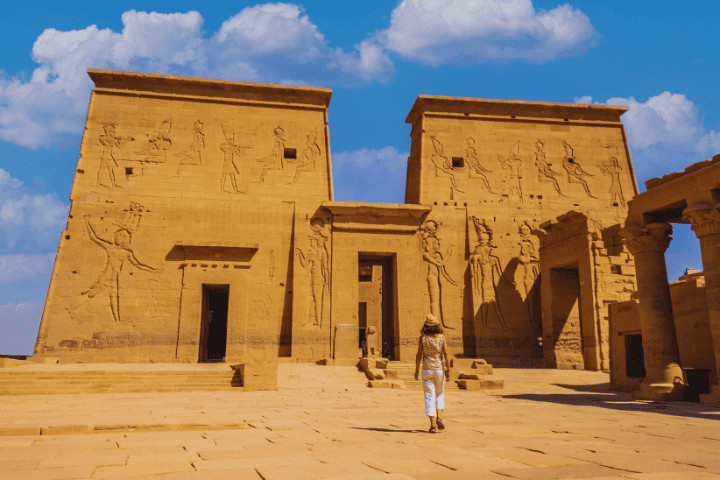
- Philae Temple area
- Nile boat excursions near granite outcrops
Many premium itineraries within Lake Nasser Cruises include private boat rides around Aswan’s rocky Nile sections.
Best Time to Visit
- October to April – Pleasant temperatures
- Early morning or sunset for photography
- Nile cruise extensions for scenic exploration
Avoid peak summer heat (June–August), as southern Egypt can be extremely hot.
Ideal Itinerary for Cataract Exploration
For travelers seeking depth and comfort:
- Cairo → Giza Plateau
- Fly to Aswan
- Visit First Cataract region
- Sail to Kom Ombo and Luxor
Luxury packages often combine historical learning with five-star accommodations and expert Egyptologists.
Practical Travel Tips
- Bring sun protection
- Wear comfortable walking shoes
- Choose guided tours for historical context
- Ask guides to show granite outcrops specifically
Seeing a First Cataract map beforehand helps visualize the historical boundary.
Internal Linking Strategy
Throughout this article, the pillar page Egypt Classic Tours has been naturally integrated to:
- Encourage premium cultural experiences
- Provide contextual travel solutions
- Support conversion-based SEO
Strategic placement occurs in:
- Introduction
- Historical explanation sections
- Travel advice sections
- Conclusion
Conclusion – What Is a Cataract in Egypt and Why It Still Matters
So, what is a cataract in Egypt? It is far more than a rocky stretch of river. The cataracts of the Nile shaped ancient borders, influenced trade and warfare, and defined Egypt’s relationship with Nubia and the wider African continent.
Understanding what is a cataract in ancient Egypt reveals how geography shaped civilization. These natural barriers were economic gateways, military defense lines, and sacred landscapes intertwined with religion.
Today, the First Cataract near Aswan remains one of the most accessible and fascinating sites for travelers. Whether you explore it through a guided cruise or a customized journey with Aswan Day Tours, witnessing a cataract in the Nile River firsthand transforms historical knowledge into lived experience.
If you’re planning your Egyptian adventure, explore tailored itineraries, check availability, or contact our travel specialists to craft a journey that brings the geography of ancient Egypt to life.
FAQ – What Is a Cataract in Egypt?
1. What is a cataract in the Nile River?
A cataract is a rocky section of the Nile where water flows rapidly over granite outcrops, creating natural rapids rather than waterfalls.
2. How many cataracts of the Nile were there?
There were six major cataracts between Aswan in Egypt and Khartoum in Sudan.
3. Where is the First Cataract located?
The First Cataract is near Aswan in southern Egypt and historically marked Egypt’s southern border.
4. Why were cataracts important in ancient Egypt?
They served as natural defenses, trade checkpoints, and strategic military locations.
5. Can tourists visit the cataracts today?
Yes. The First Cataract near Aswan is easily accessible and often included in curated Luxury Egypt Tours itineraries.