
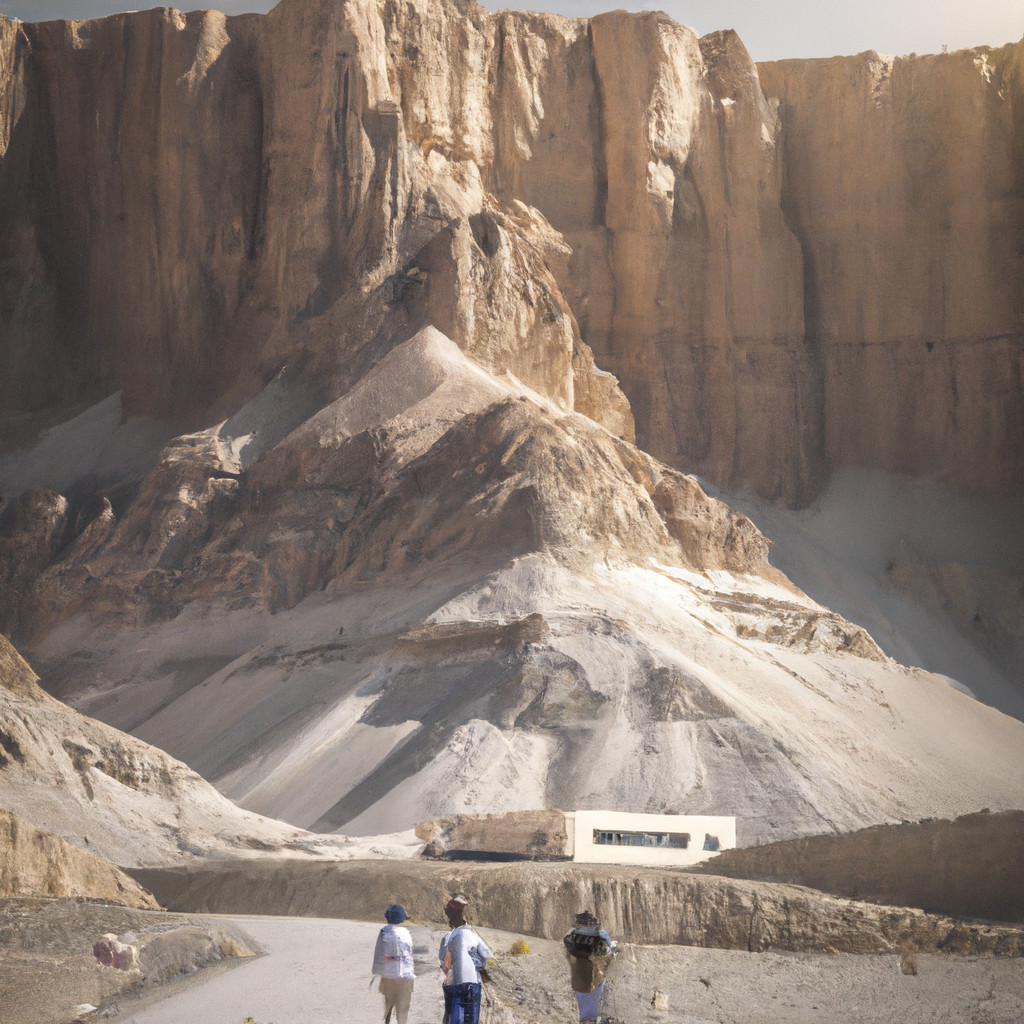
Exploring the Wonders of the Valley of the Kings
Journey into Ancient Egypt’s Hidden Treasures
When people think of Egypt, images of the Great Pyramids or the bustling streets of Cairo usually come to mind. But tucked away on the west bank of the Nile in Luxor lies one of Egypt’s most awe-inspiring sites—the Valley of the Kings. This ancient burial ground, home to the tombs of legendary pharaohs and nobles, offers a fascinating window into the rituals, beliefs, and artistry of Egypt’s New Kingdom. Join us as we journey deep into this sacred necropolis, exploring the tombs and stories that have endured for thousands of years.
The Historical Significance of the Valley
Known to the ancient Egyptians as Ta-Set-Neferu (“The Place of Beauty”), the Valley of the Kings served as the royal cemetery for New Kingdom rulers between the 16th and 11th centuries BC. The secluded, cliff-lined valley was chosen for its natural defenses against looters and its proximity to Thebes, the ancient capital.
More than 60 tombs have been discovered here, but none as renowned as Tutankhamun’s (KV62)—whose undisturbed tomb, unearthed in 1922 by Howard Carter, captivated the world and shed light on the grandeur of royal Egyptian burials.
What Makes the Valley of the Kings Unique?
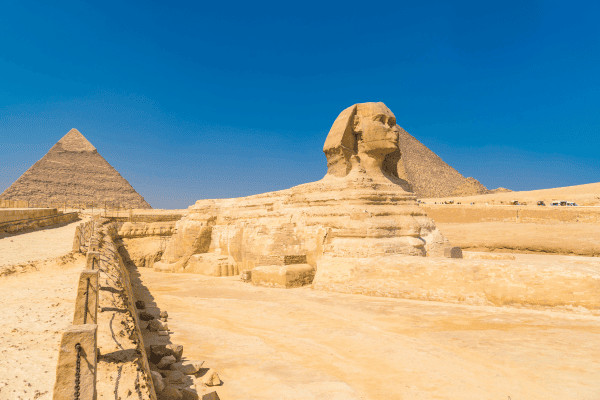
Unlike the pyramids of Giza, the tombs in this valley were carved into the limestone hills and hidden from plain view. Each tomb is a unique masterpiece, reflecting the status, wealth, and spiritual beliefs of its owner. Inside, elaborate wall paintings and inscriptions—many from the Book of the Dead—guide the soul through the afterlife.
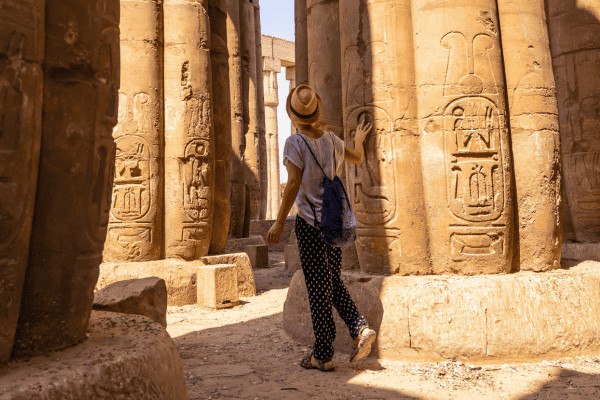
You’ll find vivid artwork, intricate hieroglyphics, and stunning architectural features that reveal not just the Egyptians’ devotion to their gods, but their incredible craftsmanship and vision of eternity.
Must-See Tombs in the Valley
While not all tombs are open to the public, these three are among the most impressive:
1. Tomb of Tutankhamun (KV62)
Despite its modest size, the tomb’s historical significance and its collection of treasures—including the iconic gold funerary mask—make it a must-see.
2. Tomb of Ramses VI (KV9)
This tomb stuns with its deep corridors, high ceilings, and intricate celestial depictions of the afterlife from the Book of Gates and Book of Caverns.
3. Tomb of Seti I (KV17)
Often regarded as the finest in the valley, this tomb boasts detailed carvings, vibrant frescoes, and expansive chambers that reflect the grandeur of one of Egypt’s most powerful rulers.
How to Visit the Valley of the Kings
Getting to the Valley of the Kings is simple if you’re based in Luxor, a major travel hub with both domestic flights and rail access. From the city, guided tours or taxis can take you across the Nile to the west bank, where the valley is located.
What to Expect:
Climate: Hot and dry—visit early morning or late afternoon for cooler temperatures.
Clothing: Lightweight attire, comfortable shoes, hats, sunglasses, and sunscreen are essential.
Tickets: General admission typically includes access to three tombs, with additional fees for premium sites like Tutankhamun’s.
Beyond the Valley: More of Luxor’s Ancient Treasures
No visit to Luxor is complete without seeing other nearby wonders:
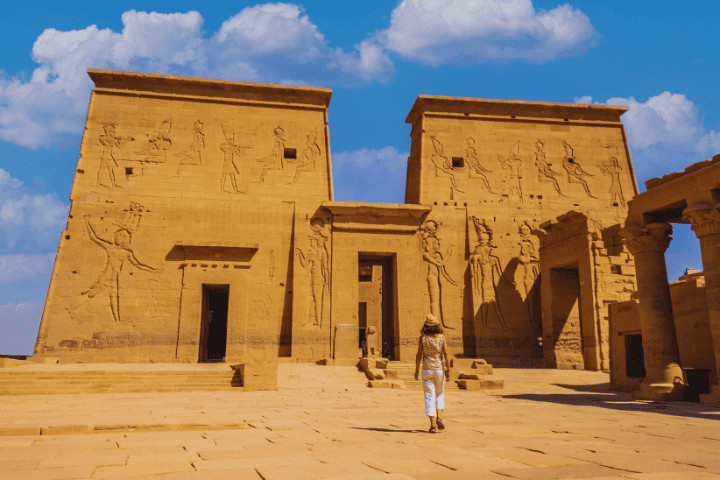
Karnak Temple: A massive religious complex that once honored the god Amun, filled with towering obelisks and intricate reliefs.
Temple of Hatshepsut: A striking, terraced structure dedicated to Egypt’s most powerful female pharaoh.
Luxor Temple: Located right in the heart of the city, this temple is especially enchanting when lit up at night.
Tips for a Meaningful Visit
Book a Guide: A knowledgeable Egyptologist can provide context that enhances your experience.
Respect the Site: Many tombs are fragile. Avoid touching walls, and note that photography inside is usually prohibited.
Stay Hydrated: Bring plenty of water—desert heat can be intense, even during cooler months.
Conclusion: A Timeless Journey into Egypt’s Glorious Past
A visit to the Valley of the Kings is more than a tour—it’s a spiritual journey through the heart of ancient Egyptian civilization. As you walk through these silent tombs, you’re following in the footsteps of history, uncovering stories of divine kings, sacred rituals, and the enduring belief in life beyond death.
Let Discovery Tours take you on a curated adventure through the wonders of Luxor and beyond. Whether you’re a history enthusiast or a curious traveler, the Valley of the Kings promises an unforgettable encounter with Egypt’s majestic legacy.